What is Carbon Steel Pipe Benefits and Uses for Buyers?
When considering industrial materials, Carbon Steel Pipe stands out as an essential choice. Its unique attributes provide benefits that buyers value in various applications. This type of pipe exhibits remarkable strength and durability, making it suitable for high-pressure environments. Moreover, it’s cost-effective, which is especially appealing for businesses keeping budgets in check.
Carbon Steel Pipe is widely used in construction, manufacturing, and oil industries. It can withstand harsh conditions, ensuring longevity. However, it may require protective coatings to prevent rust. This aspect can sometimes lead to added costs or maintenance issues. Buyers should weigh these factors carefully.
Finding the right supplier is crucial. Not all manufacturers uphold the same standards. Researching their credentials can lead to informed decisions. While Carbon Steel Pipe offers many advantages, understanding its limitations is equally important. Knowledge of your specific requirements will guide you toward the best choice.
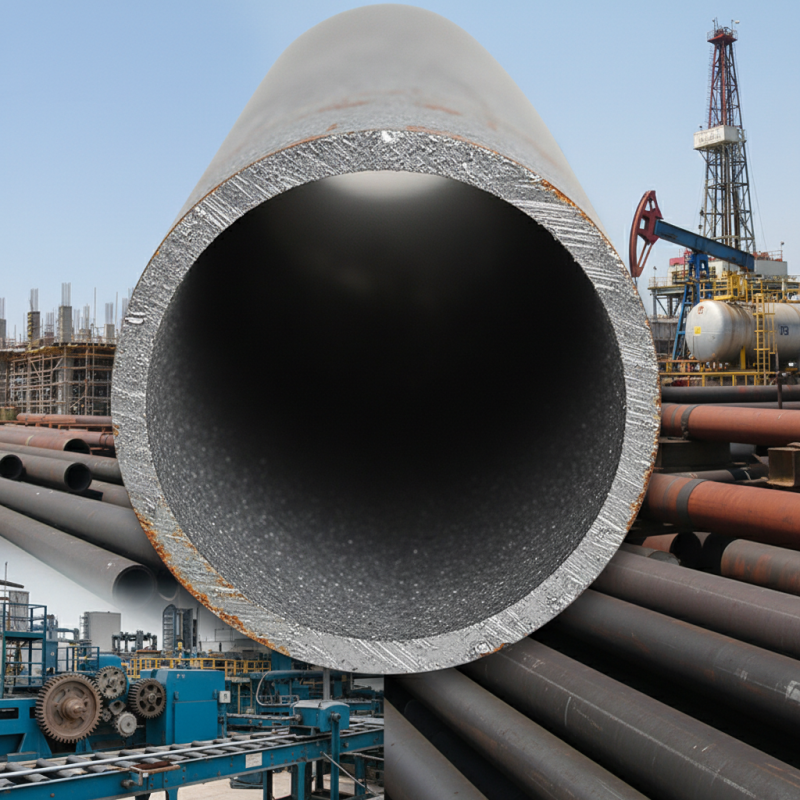
Overview of Carbon Steel Pipe and Its Composition
Carbon steel pipe is an essential component in numerous industries, primarily due to its composition and versatility. Made from iron and carbon, the steel can contain varying amounts of other elements, which enhance its mechanical properties. For instance, the carbon content typically ranges from 0.05% to 2.0%, influencing hardness and strength. Reports indicate that carbon steel accounts for approximately 70% of all steel produced globally, underlining its importance in construction and manufacturing.
What sets carbon steel pipe apart is its balance between strength and ductility. This type of pipe is often preferred for structural applications, such as building frameworks and pipelines. According to data from the World Steel Association, carbon steel pipes are favored for their durability, with a tensile strength that can reach up to 580 MPa. This high tensile strength allows the pipes to withstand heavy loads in various conditions. The low cost of carbon steel also makes it an attractive option for budget-conscious projects, though it can be susceptible to corrosion if not properly protected.
Manufacturers often face trade-offs when selecting carbon steel pipes. While the material offers remarkable strength, it may not perform as well in high-corrosive environments without adequate coatings. Thus, engineers must carefully assess the end-use conditions. The selection of carbon steel pipe must consider factors like climate and exposure to chemicals. Consequently, while carbon steel pipes offer many benefits, they also demand thoughtful application.
Key Benefits of Using Carbon Steel Pipe in Various Applications
Carbon steel pipes are essential in various industries due to their unique properties. They are strong, durable, and resistant to corrosion. These pipes find widespread application in construction, oil and gas, and water transportation. According to the American Institute of Steel Construction, carbon steel can exceed a tensile strength of 60,000 PSI, making it ideal for high-pressure environments.
One of the key benefits of carbon steel pipes is their cost efficiency. They offer a balance between performance and price. The World Steel Association reports that carbon steel is significantly cheaper than other materials, such as stainless steel. This affordability encourages its use in large-scale projects where budget constraints are critical.
Furthermore, carbon steel pipes can be easily fabricated and welded. This versatility allows for customization based on specific project requirements. However, they require proper maintenance to prevent rusting. Industry professionals recommend coatings or regular inspections. While their benefits are numerous, the need for ongoing care should not be overlooked. Proper attention can enhance their lifespan, ensuring reliability in crucial applications.
What is Carbon Steel Pipe Benefits and Uses for Buyers? - Key Benefits of Using Carbon Steel Pipe in Various Applications
| Benefit | Description | Common Applications |
| Strength and Durability | Carbon steel pipes are known for their high strength and durability, making them suitable for heavy-duty applications. | Construction, Oil and Gas Pipelines |
| Cost-Effectiveness | They offer an economical choice due to their relatively low material cost compared to other metals. | Manufacturing, Infrastructure Projects |
| Versatility | Available in various sizes and grades, carbon steel pipes can be used in numerous applications. | Plumbing, HVAC Systems |
| Weldability | Carbon steel pipes have excellent weldability, allowing for strong and reliable joints. | Fabrication, Structural Works |
| Corrosion Resistance | With proper coatings, carbon steel pipes can resist corrosion, extending their lifespan. | Water Transport, Industrial Applications |
Common Uses of Carbon Steel Pipe in Industries
Carbon steel pipes are essential in various industries due to their strength and versatility. They are commonly used in construction, manufacturing, and transportation. In the construction sector, carbon steel pipes support structural elements. They are often found in scaffolding, where they provide stability. According to the American Institute of Steel Construction, carbon steel pipes are vital in 80% of construction projects in the U.S.
Another significant use is in the oil and gas industry. These pipes can handle high pressures and extreme temperatures. Reports indicate that about 36% of carbon steel pipe usage occurs in this sector. They are used for transporting natural gas and petroleum products. Additionally, the water treatment industry utilizes these pipes for their corrosion resistance, essential for maintaining water quality.
Tip: Consider the specific needs of your project before selecting carbon steel pipes. Factors like pressure ratings and temperature tolerance can greatly affect performance.
Certain challenges come with using carbon steel pipes. They can corrode over time, especially in aggressive environments. It’s crucial to consider protective coatings or treatments to enhance longevity. Understanding how your chosen material interacts with surrounding elements is fundamental. This knowledge ensures the durability of the installation.
Tip: Regular inspections can help identify potential issues early, potentially saving costs in the long run.
Factors to Consider When Purchasing Carbon Steel Pipe
When considering carbon steel pipe for purchase, several factors should guide your decision-making. The first is the pipe's specifications. Understand the grade, size, and wall thickness required for your project. Each specification impacts the pipe's strength and durability. Take time to assess these needs carefully.
Tip: Always compare the specifications of different products. Look for detailed descriptions and ensure they fit your project demands.
Another crucial aspect is the intended application. Carbon steel pipes serve various functions, from construction to manufacturing. Knowing your specific use can dictate the quality and type you require. For instance, pipes for high-pressure applications must exhibit higher tensile strength.
Tip: Be cautious of overly cheap options. They may compromise quality and lead to future issues.
Consider the supplier’s reputation as well. A reputable supplier will provide reliable products and support. Research reviews and testimonials. This can save time and reduce potential regrets later. Remember, sometimes a lower cost comes at the expense of performance. Choose wisely for long-lasting results.
Maintenance and Durability of Carbon Steel Pipe Products
Carbon steel pipes offer numerous benefits that make them a popular choice in various industries. Their durability and strength are key advantages. When properly maintained, these pipes can last for decades. Data from industry reports indicate that carbon steel has a tensile strength of up to 400 MPa. This quality makes it suitable for high-pressure applications.
Maintenance is crucial for the longevity of carbon steel pipes. Regular inspections can help identify early signs of corrosion or wear. It's essential to maintain a clean environment around the pipes. This reduces the risk of contaminants that could accelerate degradation. Applying protective coatings can also significantly extend the lifespan of these products.
Tips: Keep a detailed maintenance log. This can help track repairs and inspections. Remember, proactive measures are better than reactive repairs. Consider using a corrosion inhibitor in the surrounding soil to mitigate rusting effects. Regular lubrication and sealing can also enhance the durability of carbon steel pipes.
Benefits and Uses of Carbon Steel Pipe
This chart illustrates the various benefits and estimated uses of carbon steel pipes in different sectors, showcasing the versatility and durability of these materials.