What is the Best Wafer Roll Machine for 2026?
In the rapidly growing snack industry, the demand for high-quality wafer rolls is on the rise. According to a recent market report, the global wafer roll market is expected to reach $2 billion by 2026. This surge is largely driven by evolving consumer preferences for innovative snacks. It’s essential to select the best Wafer Roll Machine to capitalize on this trend.
Manufacturers face challenges in meeting quality standards while maximizing production efficiency. Investing in advanced technology can significantly reduce production costs and improve output. However, not all machines are created equal. Many existing options may lack the precision required for consistent thickness and texture.
While several models promise high quality, some leave room for improvement. Consumers are becoming more discerning, emphasizing the need for machines that blend tradition with innovation. The right Wafer Roll Machine can elevate a brand’s offering and capture consumer interest. The quest for the ideal solution continues.
What are Wafer Roll Machines and Their Role in the Confectionery Industry?
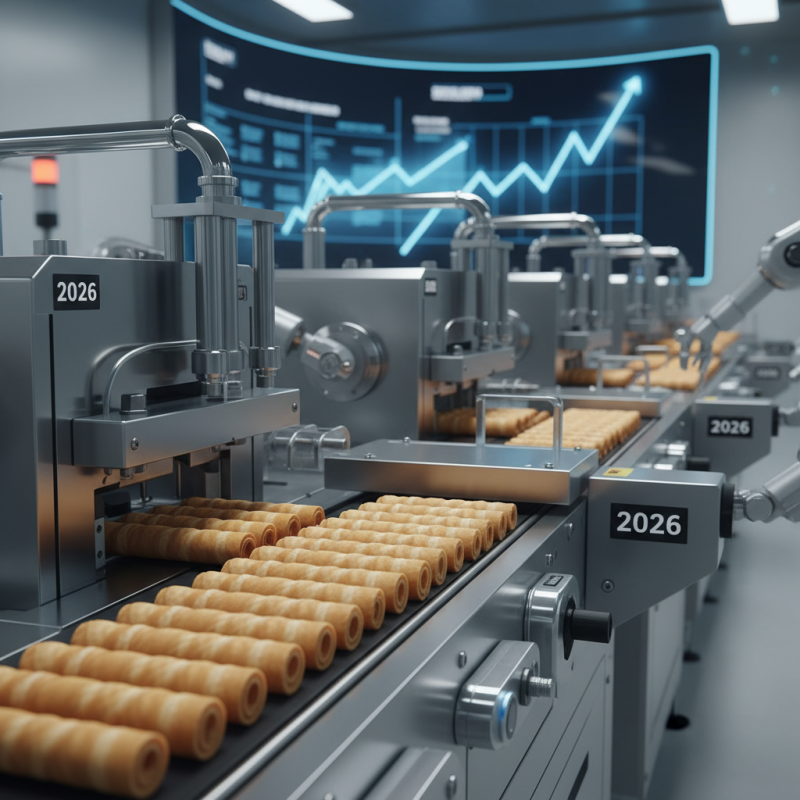
Wafer roll machines are essential in the confectionery industry. They produce crispy, hollow rolls that hold sweet fillings. The global candy market, valued at over $200 billion in 2021, is growing rapidly. This surge brings the demand for efficient production solutions, like wafer roll machines.
These machines automate the production process. They reduce labor costs and increase output. According to industry reports, factories can produce thousands of wafer rolls daily. In a competitive market, efficiency is key. However, many manufacturers face challenges in maintaining quality and consistency. It's essential to choose a machine that balances speed with precision.
Innovation remains critical. The latest machines feature advanced technology for better control. They also allow for customization of flavors and textures. Some operators report issues with breakdowns or inconsistencies in thickness. Continuous improvement and monitoring are vital to enhance production reliability. Investing in the right machine is an ongoing learning journey.
Key Features to Consider When Choosing a Wafer Roll Machine
When selecting a wafer roll machine for 2026, there are important features to keep in mind. The size and capacity of the machine matter significantly. A compact model is easier to fit in smaller kitchens, while larger machines can produce more wafers in less time. Consider how often you plan to use it. If it's for occasional events, a smaller model may suffice.
Another key element is ease of use. Some machines have complex settings, making them hard to operate. Look for user-friendly controls. Machines with pre-set options often simplify the process. Additionally, check how easy it is to clean the unit. Removable parts are a bonus here.
Lastly, think about the power source. Electric machines can be faster but may require more energy. Manual options can be slower but allow for more control. Reflect on what fits your needs best. Balancing these features can help ensure you make an informed choice.
Market Trends and Demand for Wafer Roll Machines in 2026
The wafer roll machine market is experiencing notable growth. Reports indicate a projected annual growth rate of 8% through 2026. The increasing demand for unique snacks drives this trend. Consumers are embracing innovative flavors and textures. Trends show a preference for premium and artisanal products.
In 2026, the focus will shift towards automation and efficiency. Manufacturers seek machines that minimize waste and enhance production speed. Industry studies suggest that machines with advanced control systems significantly improve output quality. However, many companies struggle to find machines that meet specific requirements. Customization remains a challenge for some operators.
Sustainability is becoming a key consideration. Eco-friendly materials are now sought after in the production process. Many manufacturers are also exploring energy-efficient models. Yet, a gap exists in the availability of these technologies. Without addressing these issues, the industry could face setbacks. Balancing innovation with sustainability will be crucial for future growth.
Market Trends and Demand for Wafer Roll Machines in 2026
Top Manufacturers of Wafer Roll Machines: A Comparative Analysis
The wafer roll machine market continues to grow, driven by a rising demand for snacks. According to industry reports, the global market is projected to reach $1.5 billion by 2026. This growth creates opportunities for manufacturers to improve their production capabilities.
Top manufacturers focus on innovation, efficiency, and cost-effectiveness. Some machines now offer higher throughput and better quality control. It’s essential to assess features like automation levels and maintenance requirements. Some machines may promise high speeds but lack durability.
Tips: Consider the total cost of ownership, not just initial expenses. Look for machines that require less downtime. Evaluate suppliers based on customer support and spare parts availability. Also, read customer reviews carefully. They often highlight issues that marketing may overlook. Remember, what works for one facility may not suit another. Balancing features with your specific needs is crucial.
Efficiency Metrics: Evaluating Production Capacity and Cost-Effectiveness
In evaluating wafer roll machines for 2026, production capacity stands out as a key efficiency metric. Recent industry reports indicate that the average production capacity of modern machines is about 500 kilograms per hour. This figure represents a significant increase from previous years. However, there are machines that boast capacities exceeding 700 kilograms per hour. Such numbers reflect advancements in technology, yet they also raise questions about sustainability and labor costs.
Equally important is cost-effectiveness. While high-capacity machines can seem appealing, initial investments can be steep. Some reports suggest that machines with a capacity of 400 kilograms per hour can have ROI within three years. In contrast, those with higher outputs may take over five years to justify costs. It is crucial to balance production rates and operational expenses. Many manufacturers find it difficult to pinpoint the most efficient configuration.
Moreover, maintenance needs should not be overlooked. Industry data shows that machines with higher complexity often incur higher maintenance costs. This can offset any gains attained through increased production capacity. Reflecting on these metrics reveals a complex relationship between efficiency, cost, and long-term sustainability. Choosing the right wafer roll machine demands careful consideration beyond just capacity figures.
What is the Best Wafer Roll Machine for 2026? - Efficiency Metrics: Evaluating Production Capacity and Cost-Effectiveness
| Model | Production Capacity (units/hour) | Energy Consumption (kWh) | Cost (USD) | Return on Investment (Months) |
| Model A | 200 | 50 | 10,000 | 12 |
| Model B | 180 | 45 | 9,500 | 10 |
| Model C | 220 | 60 | 11,000 | 11 |
| Model D | 150 | 40 | 8,000 | 14 |
| Model E | 210 | 55 | 10,500 | 13 |