Top Tips for Choosing the Best Potato Chips Machine?
Choosing the right potato chips machine is crucial for any business in the snack industry. Industry expert David Bryant states, "The right machine can elevate your brand and optimize your production." With a plethora of options available, making a smart choice becomes essential.
Many factors influence this decision. The size of the machine, its efficiency, and its cost all play significant roles. A machine that is too small may limit production output. Conversely, a large, costly machine might stretch your budget too thin. It’s important to evaluate your business needs carefully.
While there are many choices, not all machines are created equal. Some may lack durability, while others could require frequent maintenance. Understanding these nuances can save time and money in the long run. Pay attention to details like energy consumption and repair frequency. A well-informed choice today can lead to better profits tomorrow.
Understanding Different Types of Potato Chips Machines Available
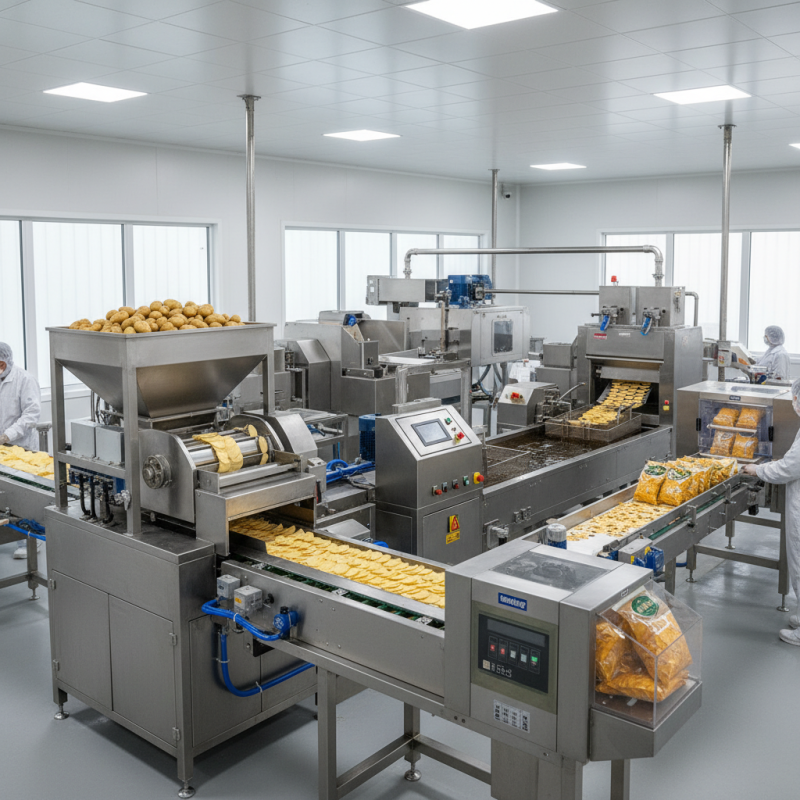
When selecting a potato chips machine, it’s crucial to understand the different types available on the market. There are mainly three kinds: batch fryers, continuous fryers, and microwave machines. Batch fryers are suitable for small-scale production. They offer flexibility but often have longer processing times. Continuous fryers are more efficient and ideal for large operations but require significant investment.
According to industry reports, the global potato chips market is projected to grow by 5% each year. Choosing the right machine can significantly affect your production output. Selecting a machine that matches your processing volume is essential. For small businesses, a batch fryer might suffice; however, larger operations may benefit from the speed of a continuous fryer.
Consider the machine's energy consumption too. An efficient machine can lead to lower operational costs. It's worth reflecting on how energy-efficient features may impact your long-term budget. Remember, learning from others’ experiences can save you from costly mistakes. Look for user reviews and case studies for deeper insights before making a decision.
Evaluating Key Features to Consider in a Potato Chips Machine
When selecting a potato chips machine, several key features are essential. The capacity of the machine is critical. Consider how many potatoes you need to process at once. A smaller machine may work for home use, while larger models suit commercial kitchens.
The type of heating mechanism matters too. Some machines use oil, while others might be air-fried. Each method delivers different textures and tastes. You may prefer the crunch from oil frying, but it requires more maintenance.
Ease of cleaning is another aspect that can't be ignored. Cleaning can become tedious. Some machines have features that simplify this task. Yet, not all are designed with this in mind. Pay attention to the details, even if they seem minor. You want a machine that won't frustrate you after a long cooking session.
Assessing Production Capacity and Efficiency for Your Needs
When selecting a potato chips machine, production capacity and efficiency are key factors. Think about your output needs. Do you plan to produce chips for a small shop or a larger market? The machine's capacity should match your projected demand. A smaller machine might suffice for local outlets. Yet, a larger unit is necessary for mass production.
Efficiency plays a significant role in costs. A machine that consumes less energy will save money long-term. Look for features that enhance speed without compromising quality. Some machines can process potatoes quickly, but they may not cook them evenly. This could lead to waste, which is not ideal. Take time to assess these factors carefully.
Consider the learning curve as well. Complex machines might require expert knowledge to operate. If training is needed, include this in your cost analysis. It's also important to reflect on your long-term goals. Will your chosen machine remain suitable as your business grows? Reflecting on these questions can help avoid costly mistakes.
Production Capacity and Efficiency of Different Potato Chips Machines
Comparing Prices and Budget Options for Potato Chips Machines
When selecting a potato chips machine, price is often a key consideration. Industry studies show that machines can range from $1,000 to over $10,000. Budget options are available, but they might lack advanced features. For startups, investing in a mid-range model often yields better performance.
Many entry-level machines produce up to 50 pounds of chips per hour. While this may seem sufficient, it’s essential to evaluate production needs realistically. A cheaper machine might lead to inefficiencies in the long run. Conversely, higher-priced machines can offer energy efficiency, which saves on operating costs. According to market analysis, energy-efficient models can cut costs by 15% annually.
Potential buyers should also consider long-term costs. Maintenance fees can add up, particularly for lower-priced options. Reports indicate that businesses often overlook these ongoing expenses. It's crucial to balance the initial investment with future operational costs. Investing wisely today can prevent regrets later on.
Top Tips for Choosing the Best Potato Chips Machine
| Feature | Description | Price Range | Budget Option |
| Production Capacity | Amount of chips produced per hour | $500 - $3000 | Low capacity options available |
| Energy Efficiency | How much energy the machine consumes | $600 - $3500 | Various energy-saving models available |
| Size and Footprint | Dimensions of the machine for space consideration | $500 - $2500 | Compact designs for small spaces |
| Ease of Use | User-friendly interfaces and controls | $700 - $4000 | Basic models are generally easier to operate |
| Warranty and Support | Length and coverage of warranty | $600 - $3300 | Models with extended warranties |
Researching Brand Reputation and Customer Reviews for Quality Assurance
When selecting a potato chips machine, customer reviews can provide valuable insights. Feedback from actual users sheds light on the machine's performance and reliability. Look for reviews that discuss production efficiency and ease of operation. Many customers emphasize the importance of user-friendly features. A complicated machine can lead to frustration and wasted time.
Brand reputation is another crucial aspect. A well-regarded brand often means better quality and support. However, not all well-known brands deliver. Some users report issues that larger companies might overlook. It's essential to seek out smaller brands with strong customer service. They can offer personalized assistance and flexible solutions.
Don’t ignore the details in reviews. Pay attention to comments about durability and maintenance. Some machines may be great initially but fall short over time. Consider user experiences with repairs or replacements. It's a complex decision, and sometimes the most popular model may not be the best fit for your needs.