Best Solar Light Options for Efficient Outdoor Lighting?
As outdoor lighting continues to evolve, Solar Light technology emerges as a frontrunner in efficiency and sustainability. Recent reports indicate that the global solar lighting market is anticipated to reach $8.6 billion by 2026, growing at a rate of approximately 16.5% annually. This surge reflects a rising consumer preference for eco-friendly solutions that not only illuminate outdoor spaces but also reduce energy consumption.
Many homeowners are turning to Solar Lights to enhance security, aesthetics, and functionality in their outdoor areas. Innovations in solar technology have led to improved battery life and brightness, making these solutions more reliable than ever. However, some still question their effectiveness in various weather conditions.
The data clearly indicates that Solar Lights can be a worthwhile investment. Yet, buyers need to consider factors such as installation sites and overall design. Balancing efficiency with aesthetics remains a challenge. With thoughtful choices, Solar Lights can transform how we approach outdoor lighting in a sustainable manner.
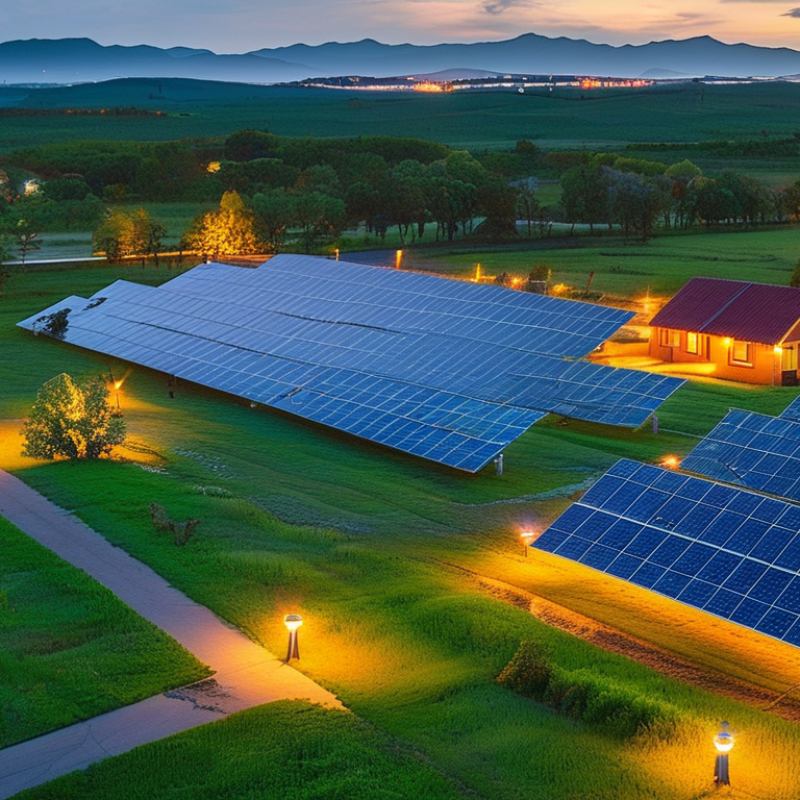
Understanding Solar Lighting Technologies and Their Efficiency Ratings
Solar lighting technologies have gained significant traction in recent years. Their efficiency ratings are crucial for consumers looking to make informed decisions. According to the U.S. Department of Energy, solar lights can convert about 15-20% of sunlight into usable electricity through photovoltaic cells. This metric highlights the potential for sustainable lighting solutions in outdoor settings.
In terms of efficiency, different types of solar lights exhibit varying performance levels. For instance, LEDs are often recommended for their low energy consumption and long lifespan. A study found that LED solar lights can last up to 50,000 hours, significantly reducing the need for frequent replacements. However, not all products maintain this level of efficiency. Some cheaper alternatives struggle to store energy effectively, leading to shorter operational times.
Moreover, the placement of solar lights can impact their efficiency. Ideally, they should be positioned in full sunlight for optimal charging. Unfortunately, many consumers overlook this aspect. A poorly placed light may not reach its full potential, leading to disappointment. Understanding these factors is essential for selecting the best solar lighting options for outdoor environments.
Comparative Analysis of Solar Light Types: LED vs. CFL vs. Incandescent
When considering solar lights for outdoor use, two main types stand out: LED and CFL. LEDs are known for their energy efficiency. They convert a high percentage of energy into light. This efficiency results in longer-lasting performance. Many homeowners appreciate the brightness and durability of LED lights. They often illuminate pathways and gardens effectively.
On the other hand, CFLs are a more traditional choice. They use fluorescent technology to produce light. While they are also energy-efficient, they do not match the lifespan of LEDs. CFLs can struggle in very low temperatures. People might find themselves needing to replace them more frequently. This could be frustrating for outdoor installations where consistent lighting is crucial.
Incandescent options exist, but they are less common in solar applications. They provide warm light but consume significantly more energy. Users may pay more for replacements due to their shorter lifespans. This makes them a less appealing choice for eco-conscious individuals. Ultimately, selecting the right type of solar light requires careful consideration of your outdoor space and lighting needs. Each option has pros and cons worth reflecting on.
Factors Influencing Solar Light Performance: Solar Panels and Battery Capacity
When considering solar light options for outdoor use, two key factors come into play: solar panels and battery capacity. Solar panels convert sunlight into electricity. They are the heart of solar lights. High-quality panels harness more energy, which is crucial during cloudy days or winter months. However, not all regions receive the same sun exposure. Users in shaded areas may find their choice limited.
Battery capacity directly impacts performance. A larger battery allows lights to run longer after sunset. It helps maintain brightness throughout the night. However, larger batteries may take longer to charge. This leads to a trade-off. Users must weigh the benefits of longevity against charging times.
In ideal conditions, a well-matched solar panel and battery system will outperform mismatched ones. Users should regularly assess their setup. Experiments with different angles and placements may yield better results. A bit of trial and error could enhance performance significantly. The choices may become overwhelming, but a focus on these core components can lead to effective outdoor lighting solutions.
Best Solar Light Options for Efficient Outdoor Lighting
Cost-Benefit Assessment of Solar Outdoor Lighting for Homeowners
When considering solar outdoor lighting, homeowners face an important cost-benefit analysis. Research shows that solar lights can significantly reduce electricity bills. In fact, solar lighting can cut outdoor lighting costs by up to 80%. This presents an attractive option for budget-conscious homeowners. Initial costs may seem high, but they pay off over time with savings on electricity.
The reliability of solar technology has improved considerably in recent years. According to industry studies, the lifespan of high-quality solar lights can reach up to 25 years. However, not all solar lights perform equally. Some cheaper models may require replacement within a few years. Homeowners need to carefully evaluate product specifications and customer reviews.
Weather conditions also play a role in efficiency. Regions with ample sunlight effectively harness solar energy. Yet, homes in cloudy climates may experience inconsistent performance. It's crucial for homeowners to assess their specific environments. While solar outdoor lights offer many benefits, they don’t come without challenges. Understanding these factors ensures a more informed investment decision.
Latest Innovations in Solar Lighting: Smart Technology and Energy Management
The landscape of solar lighting has evolved significantly. Smart technology is at the forefront, enabling energy management and improved efficiency. According to a report by the International Renewable Energy Agency, solar lighting can reduce energy costs by up to 50%. This showcases the potential of renewable energy in outdoor spaces.
Recent innovations include sensors that adjust lighting based on natural light availability. Such systems enhance energy efficiency while providing necessary illumination. The rise of smart solar lights is not without challenges. Installation and connectivity can be complex, leading to user frustration. Furthermore, there can be variability in performance based on weather conditions.
In urban areas, integrating renewable energy with smart technology is revolutionary. A study by the U.S. Department of Energy highlighted that smart solar lights can decrease carbon footprints by nearly 30% in cities. However, public awareness and understanding remain low. Enhancing education and outreach is crucial for broader adoption. Addressing these barriers can unlock the full potential of solar lighting solutions.