What are the Best Materials for Restroom Stall Walls?
Restroom Stall Walls play a critical role in public facilities. They not only provide privacy but also contribute to the overall hygiene and aesthetic of restrooms. According to a study by the American Restroom Association, 87% of users consider the condition of restroom stalls important. The choice of materials for these walls impacts durability, maintenance, and user comfort.
Different materials present unique advantages and disadvantages. For instance, stainless steel is durable but can be prone to scratching. On the other hand, plastic laminate offers aesthetic appeal but may not withstand heavy use. A survey showed that 70% of users prefer materials that are easy to sanitize. Yet, many restroom facilities often overlook these preferences.
The ongoing conversation about restroom stall materials highlights a gap between user expectations and what is often provided. For instance, while high-traffic areas benefit from sturdy materials, many designs still use cheaper options. This inconsistency can lead to unsatisfactory experiences for users. Addressing these issues requires thoughtful consideration of both material choice and installation practices.
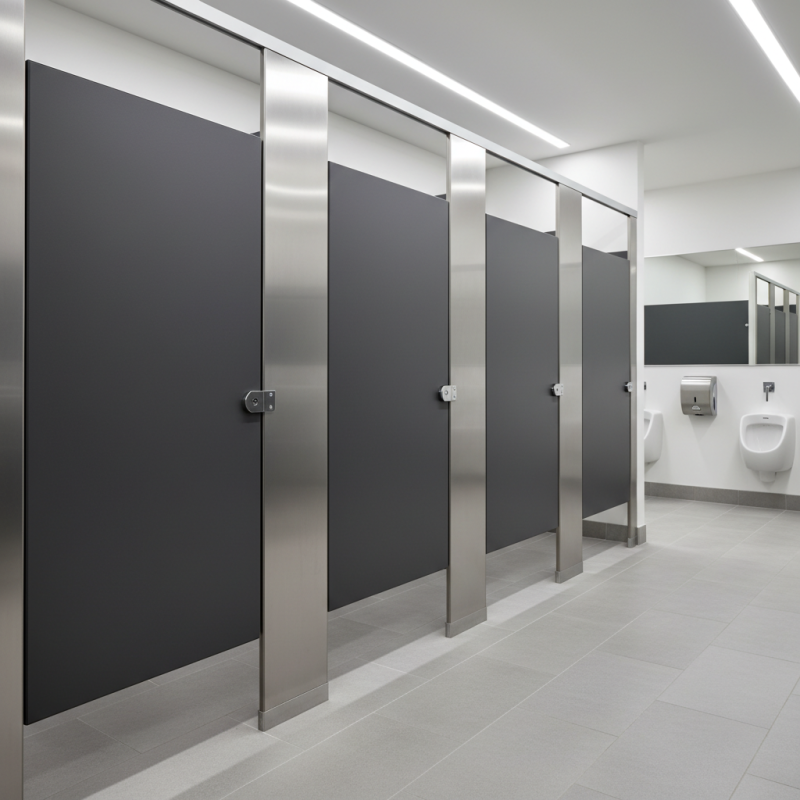
Overview of Restroom Stall Wall Materials
When choosing restroom stall wall materials, durability is a key factor. Many facilities opt for materials like solid plastic, laminate, or stainless steel. A report by the International Facility Management Association highlights that solid plastic offers excellent resistance to moisture and impact. This makes it ideal for high-traffic restrooms. However, the initial cost might deter some from choosing this option.
Another material often used is laminate, which is visually appealing and cost-effective. According to a study by the American Society of Interior Designers, laminate stalls can mimic various designs. However, they are less durable in damp environments and may show wear over time. Stainless steel, on the other hand, is highly durable and easy to clean. Yet, it can be prone to scratches and fingerprints, which can detract from its appearance.
It's crucial to balance aesthetics, cost, and practicality. Each material has strengths and weaknesses. Certain finishes may not hold up under constant use, while others might be more challenging to maintain. Facility managers must evaluate these factors carefully. In the end, investing in the right material for restroom stalls can have a significant impact on user experience and overall hygiene.
Overview of Restroom Stall Wall Materials
Characteristics of Popular Stall Wall Materials
When selecting materials for restroom stall walls, durability is key. The choice often comes down to several popular options. Each material has distinct characteristics influenced by usage, maintenance, and cost. According to industry reports, solid plastic and high-pressure laminate are among the most favored for their resilience. For example, solid plastic can withstand heavy impacts and is resistant to moisture.
However, these materials have their limitations. Solid plastic can be susceptible to scratches, which may affect aesthetics. High-pressure laminate offers varied designs, yet it may not hold up as well in high-traffic areas. A study found that restroom stalls with laminate had a 30% higher chance of needing repairs within five years compared to solid plastic options.
Another frequent choice is stainless steel. It’s remarkably tough and easy to clean, making it ideal for busy public restrooms. Yet, it can also be prone to dents, and fingerprints may detract from its clean look. Maintenance can become a chore, especially in facilities with heavy use. In poorly lit areas, scratches on stainless steel surfaces can become even more pronounced. Thus, while all these materials have their merits, restroom managers must weigh these factors carefully.
Durability and Maintenance Considerations
When choosing materials for restroom stall walls, durability and maintenance are crucial factors. Options like stainless steel, solid plastic, and fiberglass are popular. Stainless steel is strong and resistant to rust. However, it shows fingerprints easily. Solid plastic offers excellent resistance to moisture and is easy to wipe down. Yet, it may fade over time under strong lighting.
Fiberglass can withstand heavy usage and is resistant to chemicals. However, it can be prone to scratches and dents. Regular maintenance is needed to prevent damage. Lightweight designs are often easier to install, but may not last as long.
Selecting the right materials should balance durability, maintenance needs, and aesthetics. Some materials can look modern but may not stand the test of time. Regular cleaning is essential, yet some surfaces may be tricky to maintain. Finding durable options with a good maintenance profile can lead to a more lasting investment.
What are the Best Materials for Restroom Stall Walls? - Durability and Maintenance Considerations
| Material | Durability | Maintenance | Cost |
| Stainless Steel | Highly durable, resistant to rust and corrosion | Easy to clean, minimal maintenance | High initial cost |
| Plastic Laminate | Moderately durable, can chip or scratch | Requires regular cleaning and occasional repairs | Affordable |
| Solid Plastic | Very durable, impervious to moisture | Low maintenance, easy to disinfect | Moderate cost |
| Fiber Reinforced Plastic (FRP) | Excellent durability, resistant to impacts and chemicals | Requires minimal maintenance | Moderate to high cost |
| Wood Veneer | Less durable, susceptible to moisture damage | High maintenance, often requires refinishing | Lower cost |
Cost Analysis of Various Wall Materials
When selecting wall materials for restroom stalls, cost is a significant factor. Common choices include metal, plastic laminate, and solid plastic. Each material varies in price and durability. Metal panels are often the most cost-effective option. They resist scratches and denting but can rust if not treated properly. Plastic laminate offers a mid-range choice, with a wide variety of colors and finishes.
Solid plastic stalls represent a higher initial cost but provide long-term savings. They withstand moisture and heavy usage. Maintenance tends to be lower, making them an attractive option in high-traffic areas. However, the upfront expense may deter some facilities.
**Tip:** Consider the location and expected use. For high-traffic restrooms, solid plastic might be worth the investment.
Also, think about installation costs. They can vary significantly based on the material. If you're on a tight budget, metal panels may require more frequent replacement than solid materials. This can lead to higher costs over time.
**Tip:** Analyze your facility's needs before deciding. Sometimes, the cheapest options may not provide the best value. Check the long-term implications of your choices.
Aesthetic Choices and Design Options for Stalls
Restroom stall walls serve a practical purpose, but aesthetics play a crucial role too. The choice of materials can dramatically influence the overall atmosphere of a restroom. For instance, high-pressure laminate (HPL) is popular due to its variety of colors and patterns. According to a recent industry report, HPL stalls account for nearly 35% of the market. They offer durability with a sleek finish, but some designs can appear overly sterile.
On the other hand, solid plastic is another long-lasting option. It often features bold colors, which can create a vibrant restroom environment. In fact, a survey revealed that 70% of users prefer an engaging restroom experience. However, bold designs may not always align with the decor of adjacent areas. Additionally, wood finishes offer warmth and character, but maintenance can be a headache. This brings up the question of balance between design and functionality.
Color choice is crucial too. Studies indicate that soft, neutral tones promote relaxation, while brighter colors can energize a space. Choosing the right color can shape user experiences significantly. Yet, some installations have opted for trendy hues that quickly fall out of favor. This can lead to costly updates. It’s clear that restroom aesthetics require thoughtful planning and reflection to ensure a welcoming environment.