Best Fuel Transfer Cart Options for Your Business Needs?
Fuel Transfer Carts are essential tools for businesses that rely on transporting fuel efficiently. According to industry expert John Miller, “Investing in the right Fuel Transfer Cart can save time and reduce workplace hazards.” His insights highlight the significance of selecting the right equipment to meet specific business needs.
In various industries, including construction and agriculture, the demand for reliable Fuel Transfer Carts is growing. These carts enhance safety and productivity while reducing the risk of spills and leaks. However, not all Fuel Transfer Carts are created equal. Businesses should carefully assess their unique requirements before making a purchase. Understanding storage capacity, mobility, and durability can be challenging.
Choosing the best Fuel Transfer Cart requires a thoughtful approach. Evaluating features like pump power and safety mechanisms is crucial. While many options are available, identifying the ideal solution for your business needs can be daunting. It’s essential to reflect on past experiences with fuel transport to inform your decision effectively.
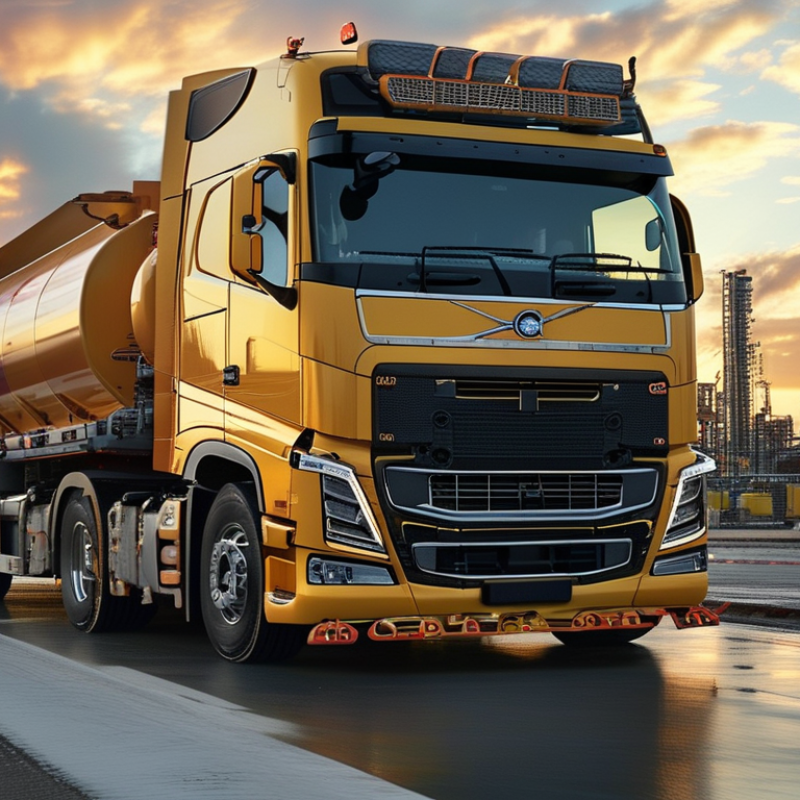
Types of Fuel Transfer Carts: Overview of Options and Features
When selecting a fuel transfer cart, understanding the various types can greatly impact operational efficiency. Fuel transfer carts are essential in industries like agriculture, construction, and trucking. Many businesses rely on them to improve fuel management. According to a recent industry report, the global fuel transfer market is expected to grow by over 5% annually through 2025.
There are several types of fuel transfer carts available. Gravity-fed carts are often the simplest and least expensive. They rely on gravity to move fuel. These are best suited for lower capacities. Pump-equipped carts offer greater control and efficiency. They can transfer fuel at much higher rates. Some models even include digital meters, which track fuel usage precisely. However, these features often come with higher initial costs, which may challenge budget-conscious businesses.
Portable fuel transfer carts provide flexibility. They are ideal for locations without a fixed fuel supply. However, they can be less robust than stationary models. In addition, some models may struggle to meet the regulatory requirements in specific areas. It's vital to assess your needs and compare the features available. The right choice balances cost, capacity, and compliance. Engaging with industry experts can also provide insights, helping to identify the best options aligned with your business needs.
Key Considerations for Choosing a Fuel Transfer Cart for Your Business
When selecting a fuel transfer cart for your business, several key factors must be considered. Capacity is crucial; depending on your operations, you may require a cart that can transport a large volume of fuel efficiently. Statistics indicate that over 70% of businesses need carts that can carry at least 300 gallons. This ensures fewer trips and enhances productivity.
Safety features are also paramount. Look for carts equipped with spill containment systems and emergency shut-off valves. Industry reports highlight that improper fuel handling leads to 60% of accidents, underlining the importance of prioritizing safety. Additionally, consider operation ease. Carts should have ergonomic handles and reliable wheels to ensure smooth navigation in various environments.
**Tips:** Always check local regulations regarding fuel storage and transfer. This can save you from future complications. Assessing maintenance requirements is vital; a cart with easy-to-replace parts can minimize downtime. Also, think about the available space in your facility. Some carts may be too bulky or hard to maneuver in tight areas. Making a well-informed choice can lead to long-term success in your operations.
Safety Standards and Regulations for Fuel Transfer Carts in Industry
When selecting a fuel transfer cart for your business, understanding safety standards is crucial. These carts must comply with stringent regulations governing the storage and transfer of flammable materials. Industry standards often dictate specific requirements regarding materials, design, and safety features. Guidelines from recognized bodies ensure carts can withstand accidental spills and provide protection during transportation.
Proper training is essential for operators of fuel transfer carts. Familiarity with equipment and adherence to safety protocols can prevent incidents. Staff should know emergency procedures, understand the significance of grounding during transfers, and use proper PPE.
Tips: Regular inspections of the fuel transfer cart help identify potential issues. Keeping carts clean and free of debris reduces risks. Ensure all safety labeling is visible and legible, promoting a culture of safety awareness.
Compliance with safety regulations is not merely a checkbox. It reflects your commitment to workplace safety and environmental responsibility. Regular updates on industry standards help maintain compliance and mitigate risks. Always be open to feedback and continuous improvement.
Comparative Analysis of Top Fuel Transfer Cart Brands and Models
When considering fuel transfer carts, it's crucial to compare various brands and models. Each option has distinct features tailored for different business needs. Durability and efficiency are paramount in any operational setting. Some carts prioritize mobility, making them ideal for companies with multiple fuel locations. Others focus on capacity, ensuring larger fuel volumes can be transported at once.
Tips: Assess your workflow before choosing a cart. Measure the distances over which you'll be transporting fuel. It may affect your choice significantly.
In examining brand models, look for reviews that highlight reliability and user experience. Many businesses report challenges with leaks or pump inefficiency. Not every cart will meet every need. Take the time to evaluate whether advanced features genuinely enhance operational workflow or simply add unnecessary complexity.
Tips: Consider maintenance requirements when selecting a model. Regular upkeep can save you headaches down the line. Always compare warranty options too. A solid warranty can serve as a safety net for your investment.
Best Fuel Transfer Cart Options for Your Business Needs
| Model | Capacity (Gallons) | Power Source | Weight (lbs) | Price ($) | Warranty (Years) |
| Model A | 200 | Electric | 150 | 1,500 | 2 |
| Model B | 300 | Diesel | 200 | 2,000 | 3 |
| Model C | 150 | Gasoline | 130 | 1,200 | 1 |
| Model D | 250 | Hybrid | 170 | 1,800 | 4 |
| Model E | 400 | Electric | 250 | 2,500 | 5 |
Cost Efficiency: Evaluating ROI on Fuel Transfer Carts for Businesses
Investing in fuel transfer carts can greatly impact business efficiency. A study by the National Institute for Occupational Safety and Health (NIOSH) stated that optimizing fuel transfer could reduce downtime by 30%. This efficiency not only saves time but also boosts productivity across operations. Businesses that prioritize fuel management become more competitive in their industries.
Cost efficiency is crucial when evaluating the return on investment (ROI) for fuel transfer carts. According to the American Society of Mechanical Engineers (ASME), integrating advanced fuel transfer solutions can lead to savings of up to 40% in operational costs. Yet, not all carts are created equal. Many businesses experience challenges due to inadequate training or improper maintenance of these systems. A focus on ongoing training and operational excellence can improve outcomes.
Additionally, businesses must consider the lifecycle of the equipment. A report from the Fuel and Transportation Association highlighted that many carts underperform due to wear and tear. Regular assessments can identify issues before they escalate. Embracing a proactive maintenance approach can enhance reliability and extend the lifespan of fuel transfer carts. This strategy ultimately reinforces the value derived from the initial investment.