Best Corrugated Iron Roofing Sheet Making Machines for 2026?
As the demand for durable and cost-effective building materials continues to rise, the importance of corrugated iron roofing sheet making machines becomes increasingly relevant. These machines are essential for producing robust roofing solutions that meet various market needs. In 2026, we expect significant advancements in technology and efficiency in this industry.
The corrugated iron roofing sheet making machine is a vital investment for manufacturers. It creates sheets that offer strength and longevity. Innovations promise improvements in production speed and energy efficiency. However, as with any machinery, potential issues may arise that demand careful consideration. Finding the right balance between cost, quality, and production capability is essential for success.
In this article, we explore the best corrugated iron roofing sheet making machines anticipated for 2026. We will examine their features and performance, gathering insights from industry experts. With the rapid pace of change, it’s important to remain informed about emerging solutions and possible challenges in manufacturing. Continuous adaptation and reflection will drive future growth in this sector.
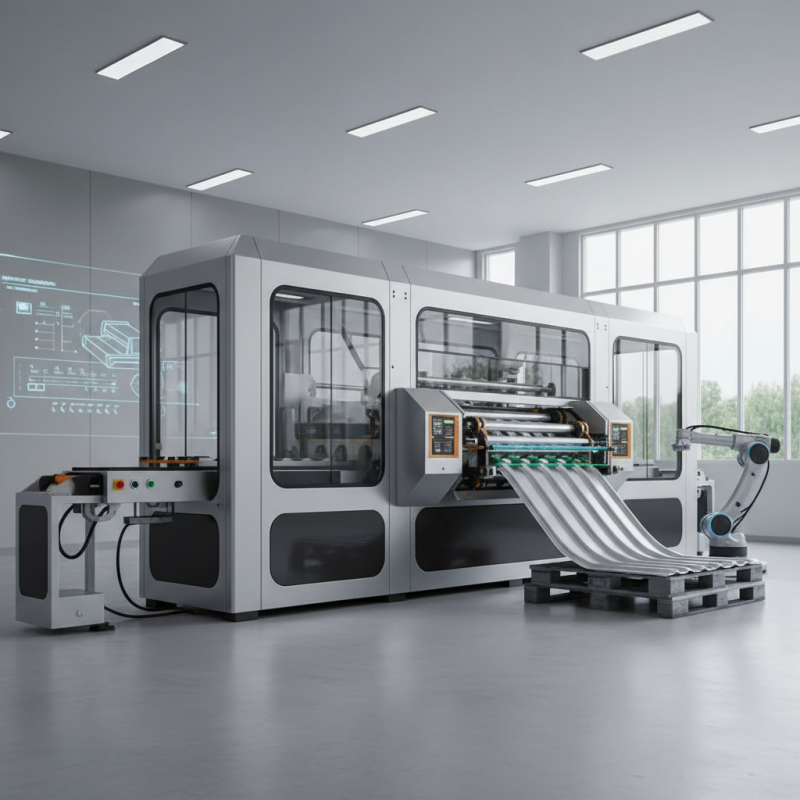
Overview of Corrugated Iron Roofing Sheet Making Machines
Corrugated iron roofing sheet making machines are essential in construction. These machines have evolved immensely in recent years. The market for corrugated roofing is expected to grow by 5.9% annually, according to a 2022 industry report. This growth reflects a rising demand for durable and cost-effective roofing solutions. The machines utilized for producing these sheets differ in capabilities and technologies employed. The choice between manual and automatic systems can significantly affect production efficiency.
Choosing the right machine is crucial. Factors such as production capacity and energy consumption need consideration. For instance, machines that produce sheets at higher speeds generally consume more energy. Additionally, advances in technology have enabled manufacturers to create machines that require less maintenance. Regular maintenance can prevent production delays and enhance longevity. Focus on efficiency can advocate sustainability.
Tips: Consider investing in machines with energy-efficient features. This can lead to long-term savings. Regularly assess your production needs to avoid overcapacity. Always keep an eye on emerging technologies for future upgrades. This proactive approach can significantly enhance your operational capabilities.
Key Features to Look for in Roofing Sheet Machines by 2026
When selecting roofing sheet machines for 2026, several key features should be prioritized. First, the machine's efficiency matters significantly. A high-output capacity ensures that production meets demand without delays. Speed is crucial; machines should operate quickly without sacrificing quality. Features like adjustable speed settings can enhance flexibility for different projects.
Another important aspect is the durability of the machine itself. Components made from robust materials often withstand heavy use. Check for features like rust resistance and wear plates. These ensure the equipment lasts longer. It's also critical to assess the ease of operation. Machines with user-friendly controls reduce the time needed for training. A complicated setup may lead to errors during production.
Finally, consider the machine's energy consumption. Devices that use less power can cut down on operational costs over time. However, not all machines labeled as energy-efficient perform equally. Research is necessary to find options that deliver on this promise. Balancing quality, efficiency, and cost is key, making it essential to reflect on the machines’ long-term impact. Investing wisely today will shape your operations in the years ahead.
Top Manufacturers of Corrugated Iron Roofing Sheet Machines
When considering the production of corrugated iron roofing sheets, the role of manufacturers is crucial. In recent industry reports, the global market for roofing sheet machines is projected to grow by approximately 7% annually. This growth reflects the increasing demand for cost-effective building materials and the need for durability in construction.
Manufacturers are focusing on technology that enhances efficiency. Machines are becoming faster and more automated. This change can cut production costs significantly. Yet, not all machines meet the evolving standards. Some may lack advanced features, leading to wasted materials and increased labor costs. Continuous improvement remains essential.
Recent trends show that eco-friendly materials are becoming more popular. However, integrating these materials into existing machines presents challenges. Manufacturers must adapt without sacrificing performance. This adaptation requires innovation and might lead to a learning curve. Investing in research and development will be critical for those aiming to lead in this competitive market.
Comparative Analysis of Machine Efficiency and Output Quality
When evaluating corrugated iron roofing sheet making machines for 2026, efficiency and output quality stand out. These two aspects heavily influence production and profitability. Machines that operate at higher speeds often produce greater quantities. However, speed shouldn't compromise the quality of the sheets. Dimensional accuracy and surface finish are crucial. Poor quality can lead to wastage and additional costs.
Analyzing different machines reveals a variety of output capabilities. Some machines excel in producing thick sheets, while others are better suited for lightweight options. It's essential to align machine specifications with project requirements. Quality control is a continuous challenge. Even advanced machines may sporadically produce defects. Regular maintenance and operator training become key.
Sustainability is another aspect worth pondering. Machines that are energy-efficient have less environmental impact. However, the upfront cost of these machines can be high. The decision to invest in such technology requires careful consideration. Optimizing efficiency and ensuring high output quality are not always easy tasks. Manufacturers must be proactive in exploring innovations.
Comparative Analysis of Machine Efficiency and Output Quality in Corrugated Iron Roofing Sheet Making Machines for 2026
Future Trends in Roofing Sheet Machine Technology for 2026
Advancements in roofing sheet machine technology are shaping the future of construction. In 2026, we can expect smarter machines that streamline the manufacturing process. Automation will play a key role, reducing labor costs and increasing efficiency. These machines will utilize AI to optimize production. They will not only monitor performance but also predict maintenance issues.
Tip: Regular maintenance of machinery can prevent costly downtime.
Enhanced durability will be a focus in 2026. Machines will produce sheets that withstand extreme weather. This is vital as climate change challenges traditional materials. New materials will be explored to offer better insulation and eco-friendliness.
Tip: Explore various materials before choosing. Some may not meet your long-term needs.
The integration of Internet of Things (IoT) technology will allow real-time data tracking. This means better quality control and quicker adjustments during production. While these innovations are exciting, they require adaptation. Investing in training for operators will be essential to harness these advancements effectively.
Tip: Prioritize training and development for your team. It pays off in the long run.
Best Corrugated Iron Roofing Sheet Making Machines for 2026
| Machine Model | Production Capacity (sheets/hour) | Power Consumption (kW) | Sheet Width (mm) | Key Features |
| Model A | 600 | 15 | 1000 | High-speed operation, automatic cutting |
| Model B | 500 | 12 | 1200 | Energy-efficient, user-friendly interface |
| Model C | 700 | 18 | 900 | Advanced PLC control, high precision |
| Model D | 450 | 10 | 1500 | Compact design, easy maintenance |
| Model E | 550 | 14 | 1100 | Robust build, flexible thickness options |