Best Cnc Plasma Cutting Machine for Global Buyers Guide?
In the ever-evolving landscape of manufacturing, the CNC Plasma Cutting Machine has emerged as a vital tool. It combines precision with efficiency, making it a top choice for global buyers. Industries such as automotive, aerospace, and metal fabrication greatly rely on these machines. Yet, with countless options available, selecting the right one can be daunting.
Buyers often face confusion. Features, pricing, and support vary significantly across brands. A deep understanding of a CNC Plasma Cutting Machine’s capabilities is essential. Quality, performance, and durability should not be overlooked. Many buyers share experiences of regret after choosing the wrong machine. It's crucial to reflect on what each model offers, especially in terms of after-sales service and technical support.
This guide aims to navigate the complexities of choosing the best CNC Plasma Cutting Machine. Emphasizing expertise and market analysis, we address critical aspects to consider. Expect a blend of insights, expert recommendations, and common pitfalls to avoid. Each choice you make in this journey can greatly impact your operations and productivity.
Understanding CNC Plasma Cutting Machines and Their Applications
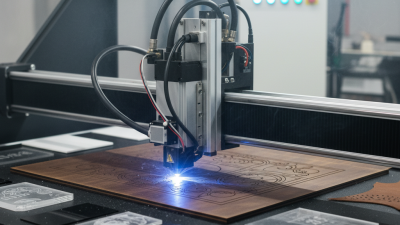
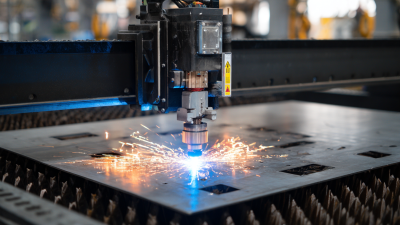
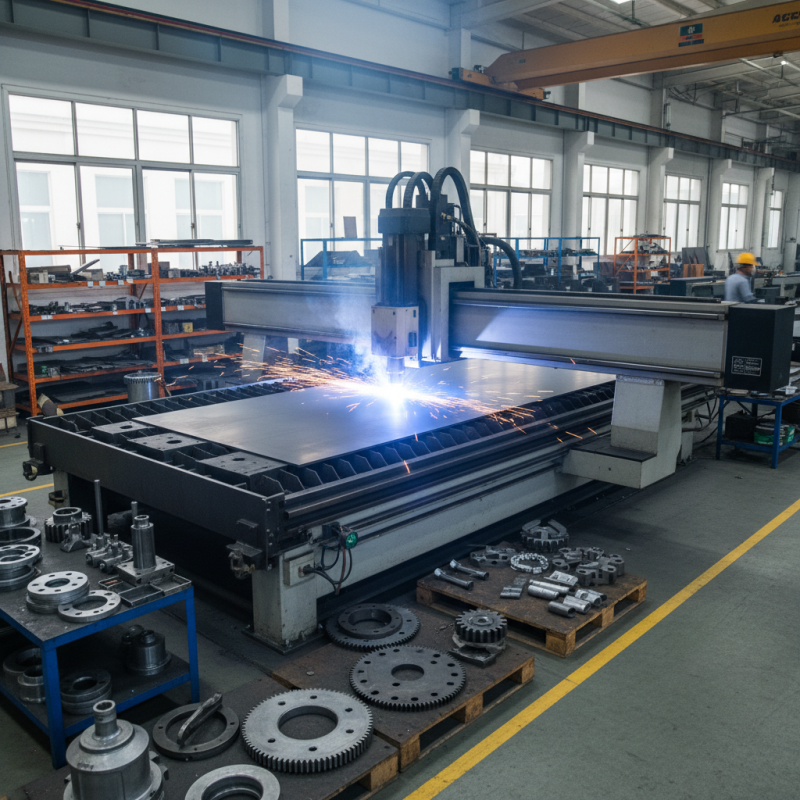
CNC plasma cutting machines have revolutionized metal fabrication. They use high-velocity ionized gas to cut through various metals with precision. These machines are favored for their speed and accuracy, making them ideal for industries like automotive, aerospace, and construction. When choosing a plasma cutter, consider factors such as material thickness, cutting speed, and power requirements.
One key application is in creating intricate designs. Many artists and manufacturers harness CNC plasma cutting for custom artwork and prototypes. It allows for detailed work on metals like steel, aluminum, and copper. The ideal machine can handle both thick metals and thin sheets with ease.
Tips: Always review the machine's specifications before purchase. Consider investing in a machine with extensive support or community forums. Understanding your project's unique needs is crucial. With the right machine, the potential for creativity and efficiency is immense.
Understanding CNC Plasma Cutting Machines: Cutting Speed Comparison
Key Features to Look for When Choosing a CNC Plasma Cutting Machine
Choosing the right CNC plasma cutting machine is crucial for efficiency and precision.
Key features can significantly impact your selection process.
One primary aspect to consider is the cutting thickness capability.
Machines vary widely in this area, with some able to handle thick materials while others are limited to thin sheets.
Understanding the type of materials you frequently work with will guide your choice.
Another vital feature is the torch height control.
This technology ensures consistent cutting quality by automatically adjusting the height during operations.
It can prevent errors and reduce the need for manual adjustments.
Additionally, look into the software compatibility.
A system that integrates seamlessly with design software can streamline your workflow.
Safety features should not be overlooked.
Machines equipped with emergency shut-offs and safety enclosures offer peace of mind.
Regular maintenance is also essential for reliable performance.
Consider how easy it is to access parts for cleaning or replacement.
Reflecting on these aspects will help refine your decision-making process and ensure that you invest in a machine that meets your long-term needs.
Top Brands and Models of CNC Plasma Cutting Machines in the Market
When considering CNC plasma cutting machines, understanding top brands and models is vital. The global CNC plasma cutting market is projected to reach over $4 billion by 2026, according to recent industry reports. This growth reflects enhanced manufacturing efficiency and precision. Each brand offers unique features that cater to diverse applications.
One leading model type focuses on automated systems, significantly improving cutting speeds. For instance, machines with integrated software are favored for their user-friendly interface and flexibility. However, not all systems are perfect. Modifications may be needed to adapt to specific materials. Additionally, some users report steep learning curves with advanced models, which can hinder productivity at first.
It's essential to assess cutting capacity and thickness range. Many reliable machines can handle metal thicknesses up to 2 inches, while underperforming models may struggle with anything above 1 inch. Buyers should also consider customer support and product warranties, which vary significantly across brands. A machine may seem advanced but could lack reliable post-purchase assistance. This intricacy in choice is why extensive research and consultation with industry experts are encouraged before purchase.
Comparative Analysis of Pricing for CNC Plasma Cutting Machines
When exploring the market for CNC plasma cutting machines, pricing varies significantly across different models and specifications. A recent industry report highlights that basic models can start from around $3,000 to $5,000, while high-end machines can soar above $100,000. This substantial price range often reflects differences in capabilities, such as cutting speed, material thickness, and automation features. For instance, machines with advanced automation can enhance productivity but come at a higher cost.
Some buyers may find that additional features, like integrated software for design, justify the investment. However, others might question the need for such capabilities. A typical mid-range CNC plasma cutter is priced between $15,000 and $30,000, making it accessible for small to medium-sized enterprises. Yet, these options may lack some advanced technologies found in pricier versions, potentially limiting their future application.
Research suggests that over 60% of buyers prioritize cost over potential long-term savings from efficiency gains. This mindset can lead to purchasing equipment that may not meet future operational demands. It's vital to weigh current needs against future growth. Comparing the total cost of ownership, including maintenance and energy consumption, can provide a clearer financial picture. Adjusting expectations and being mindful of trade-offs is crucial in selecting the right machine for your business.
Maintenance and Support Considerations for CNC Plasma Cutting Machines
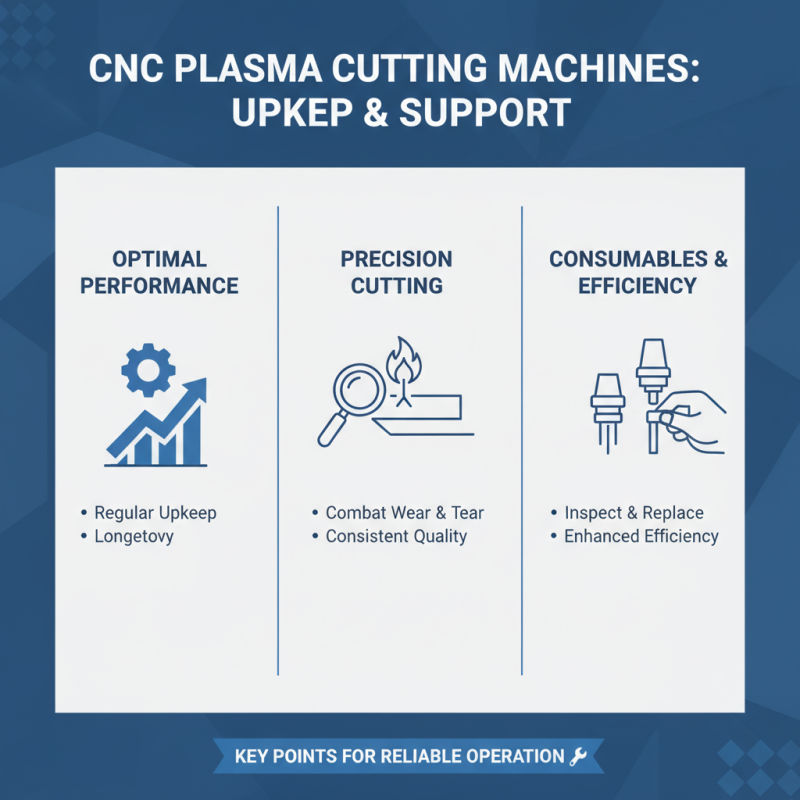
When considering CNC plasma cutting machines, maintenance and support are crucial. Regular upkeep ensures optimal performance and longevity. Over time, wear and tear can affect cutting precision. It is vital to routinely inspect consumables, such as nozzles and electrodes. Replacing these parts as needed will enhance the machine's efficiency.
It's common for users to overlook the importance of routine cleaning. Dust and debris can accumulate, affecting the machine's operation. Establishing a cleaning schedule can prevent this issue. Alongside physical maintenance, software updates must not be ignored. Up-to-date software can improve performance and safety.
Tips: Always ensure your workspace is clean. Plan for regular service checks to catch potential issues early. Utilize online resources or forums for troubleshooting common problems. This proactive approach can save time and money in the long run. Don't hesitate to seek professional help when needed. Ignoring minor issues can lead to more significant problems later.