Best Bag Making Machine for Your Business Needs?
In today's competitive market, choosing the right Bag Making Machine is crucial for any business. According to the latest report from the Global Bag Making Machine Market, the industry is expected to grow at a CAGR of 5.8% over the next five years. This growth emphasizes the need for companies to invest in advanced machinery to enhance production efficiency.
Industry expert Dr. Michael Thompson notes, "The right Bag Making Machine can dramatically reduce production costs while meeting customer demand." His insights reveal how critical these machines are for maintaining quality and speed in manufacturing. However, not all machines are created equal. Businesses must assess their specific needs carefully before making a purchase.
Choosing a Bag Making Machine can be overwhelming. Different models offer varied features, and manufacturing needs can change quickly. Businesses may face challenges like rising costs and evolving market trends. Thus, making informed choices becomes essential. The right machine can bring significant advantages, but it requires thorough research and introspection.
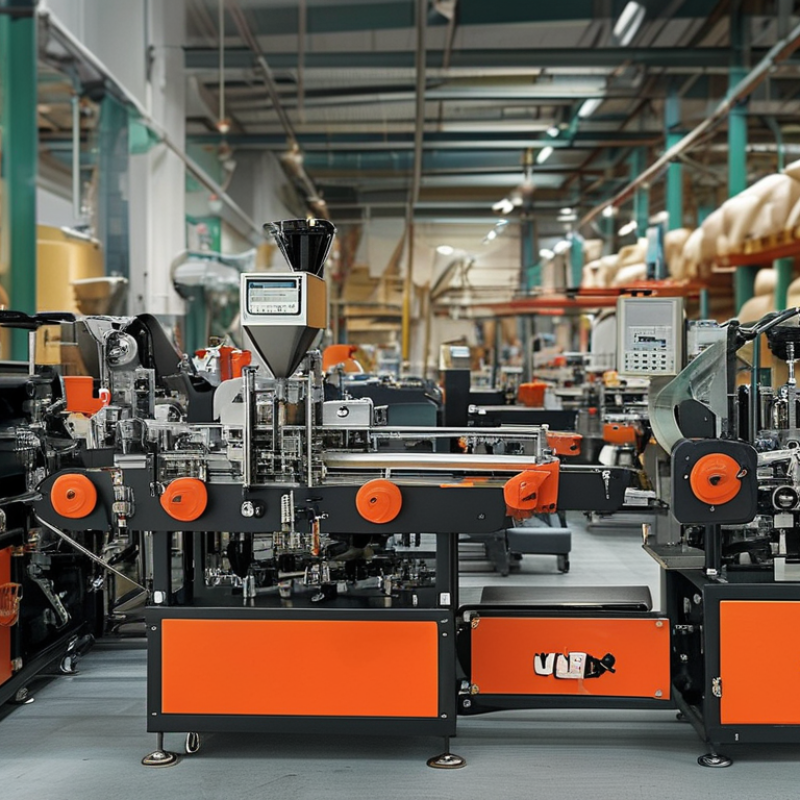
Understanding Your Business Needs for Bag Production
Understanding your business needs for bag production is essential for selecting the best bag making machine. The global bag manufacturing industry has seen significant growth, with a projected compound annual growth rate (CAGR) of 4.5% from 2021 to 2028. As you assess your production requirements, consider not only the type of bags you plan to make but also the volume needed to meet market demand.
Customization is another critical aspect. According to industry research, 70% of consumers prefer personalized products. This trend suggests that your machines should offer versatility in design and size capabilities. Investing in equipment that allows for quick changes can lead to increased efficiency. However, this flexibility often comes with a learning curve, which may initially slow down production.
Efficiency is key. Studies indicate that automated machines can increase production speed by 50% compared to manual processes. However, these machines can require a higher upfront investment and ongoing maintenance. Evaluating your budget versus potential returns is crucial. Remember, the best machine aligns with your business goals and enhances your production workflow, even if that means reassessing your needs frequently.
Types of Bag Making Machines Available in the Market
When it comes to bag making machines, various types cater to different business needs. These machines can significantly enhance production efficiency. Among the popular types is the flat bag making machine, designed for creating simple, open-ended bags. It's essential for businesses that require speed and efficiency in low-cost production.
Another common type is the zipper bag making machine. This machine adds zippers to bags, providing an element of convenience for customers. Its versatility allows for the production of various sizes and styles. However, the complexity of operation can be a challenge for inexperienced operators, requiring a learning curve.
Additionally, the big bag making machine is vital for industries needing heavy-duty bags. These machines can produce large, durable bags suitable for bulk materials. Yet, the initial investment can be high, and maintenance is often required to keep them running efficiently. Businesses must weigh the pros and cons of each type carefully. Knowing the specific needs of your operations will guide better decisions. Familiarity with machine capabilities is crucial for optimal output.
Best Bag Making Machine for Your Business Needs
| Type of Machine | Material Compatibility | Production Speed (Bags/Hour) | Power Consumption (kW) | Price Range |
| Automatic Bag Making Machine | PE, PP, Woven | 200-600 | 5-10 | $25,000 - $50,000 |
| Semi-Automatic Bag Making Machine | Paper, Plastic | 100-300 | 3-7 | $15,000 - $30,000 |
| Flat Bag Making Machine | LDPE, HDPE | 150-400 | 4-8 | $20,000 - $35,000 |
| Sac Bags Making Machine | Woven Fabric, Non-woven | 100-250 | 6-12 | $18,000 - $40,000 |
| Pouch Making Machine | Plastic Films, Laminates | 200-500 | 5-9 | $30,000 - $55,000 |
Factors to Consider When Choosing a Bag Making Machine
When selecting a bag making machine, consider various critical factors. Machine capacity is crucial. It determines how many bags you can produce in a specific timeframe. Industry reports indicate that machines with a capacity exceeding 100 bags per hour are often preferred. This capacity can significantly impact your business's efficiency and profitability.
Another important factor is material compatibility. Different machines handle various materials like plastic, paper, or woven fabrics. You need a machine that suits the specific types of bags you intend to produce. According to a recent study, 45% of businesses experienced issues due to material mismatches. This can lead to production delays and increased costs, highlighting the need for careful consideration.
Automation is a growing trend in bag making. Automatic machines offer higher efficiency but come with a steeper learning curve. Data shows that around 30% of companies struggle to adapt to automated processes, which can disrupt operations. Evaluate your team's skill level before making a decision. Choose a reliable machine that balances automation with usability for your business's unique needs.
Comparing Features and Specifications of Popular Models
Selecting the right bag-making machine can transform your business. With so many options, understanding the features and specifications of popular models is crucial. According to a recent industry report, the demand for automated bag-making solutions has grown by 15% over the past two years, indicating a shift towards efficiency and precision in manufacturing processes.
Popular models typically offer features such as automatic cutting, sealing, and printing capabilities. For example, machines that can handle various materials like plastic, paper, and fabric are especially desirable. The efficiency of a machine is often measured by its output rate; some machines can produce up to 100 bags per minute. However, the complexity of operating advanced models may require additional training for staff, adding to initial costs.
It's important to consider durability and maintenance needs along with output speed. Reports have shown that machines with regular maintenance can last up to twice as long as those left unattended. Some businesses may prioritize speed over reliability, which can lead to frequent breakdowns. It's essential to balance these factors for sustainable production growth.
Cost Analysis and Budgeting for Bag Making Machinery
When considering the cost analysis and budgeting for bag-making machinery, several factors come into play. The initial investment is often substantial, encompassing the machine's price, installation, and training. This cost can be daunting, yet it is crucial for long-term profitability. It's wise to conduct thorough market research before making any purchases. Evaluating machinery features against your business needs will help avoid costly mistakes.
Operating costs also need attention. Maintenance and repair expenses can add up, especially if parts are difficult to source. Evaluate the reliability of each machine model. A reliable machine reduces downtime and enhances productivity. However, ensure there is room in your budget for unexpected repairs or upgrades. It's not uncommon for businesses to overlook these costs, leading to cash flow issues down the line.
Budgeting should include potential fluctuations in raw material prices. When prices increase, your profit margins may shrink. Consider setting aside a contingency fund. This will help manage sudden price changes or unexpected expenses. A well-rounded financial plan not only prepares you for the unforeseen but also positions your business for better growth.