Top 10 Benefits of Using a Fiber Laser Cutter for Business?
In today's competitive landscape, a Fiber Laser Cutter offers numerous advantages for businesses. This technology has revolutionized manufacturing processes. It combines precision, speed, and efficiency, making it an indispensable tool for various industries.
The Fiber Laser Cutter is known for its versatility. It can easily handle a range of materials, including metal, wood, and plastics. With its high accuracy, businesses can achieve intricate designs without sacrificing quality. Yet, some may hesitate to invest in this technology, unsure of its long-term benefits versus traditional methods.
Understanding the top benefits of using a Fiber Laser Cutter is crucial. Improved productivity and cost savings are often highlighted. However, it’s important to consider the initial investment and required maintenance. Each business must evaluate its unique needs before transitioning to this advanced cutting technology.
Understanding Fiber Laser Cutters and Their Mechanism
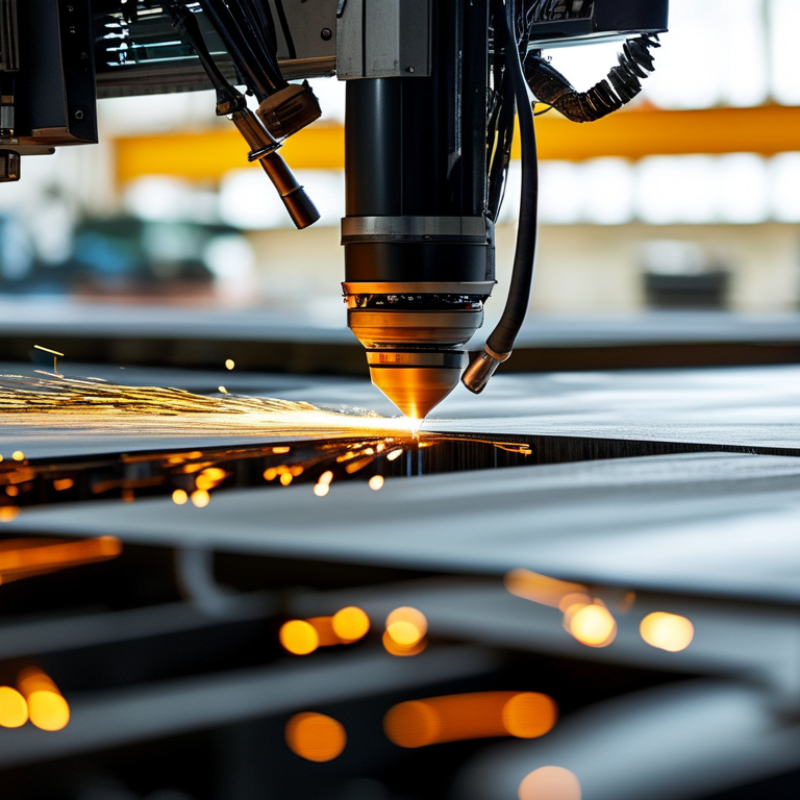
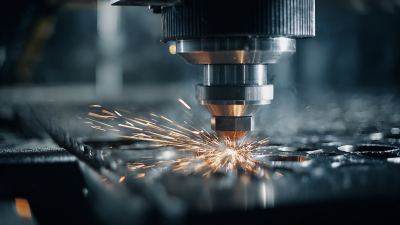
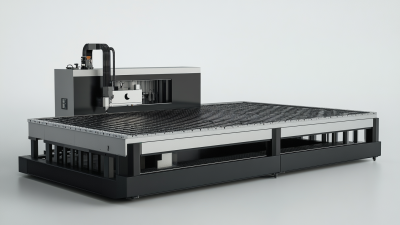
Fiber laser cutters are becoming essential tools in various industries. They utilize a mechanism that focuses high-powered laser beams through fiber optics. This technology allows for precise cutting, engraving, and marking on a wide range of materials. The beam's intensity provides clean edges and reduces the need for secondary finishing processes.
In practice, understanding the mechanics of a fiber laser cutter can enhance efficiency. The vibration-free nature of these machines minimizes distortion, which can be an issue with other cutting methods. It’s crucial to maintain the optics and laser source. Neglecting regular maintenance can lead to performance decline.
When using a fiber laser cutter, start with familiarization of settings. Different materials require various speeds and powers. Adjusting these parameters optimally will yield better results. Overlooking these details can result in wasted material. It's important to continuously assess and refine your approach based on outcomes. Pay attention to the cooling system as well; it influences both the cutter’s longevity and the quality of cuts.
Enhanced Precision and Quality in Cutting Processes
Fiber laser cutters have transformed the cutting landscape. Enhanced precision is one of their most significant advantages. Unlike traditional methods, these machines can deliver intricate designs with remarkable accuracy. According to a report by MarketsandMarkets, laser cutting technology is projected to grow at a CAGR of 7.4% between 2021 and 2026. This uptick is driven by the demand for high-quality cuts in various industries, including automotive, aerospace, and manufacturing.
The quality of cutting directly affects the final product. With fiber laser technology, users experience minimal material distortion. The focused beam ensures clean edges and reduces the need for secondary finishing. A case study in the Journal of Manufacturing Science and Engineering highlighted that fiber lasers achieved a 30% reduction in kerf width compared to CO2 lasers. This precision can lead to less material waste and lower operational costs, a win-win for businesses aiming to improve their bottom line.
Challenges do exist, however. Maintaining a fiber laser cutter requires specialized knowledge. Poorly configured settings can lead to subpar cuts and increased wear on the machine. Training staff effectively is crucial for optimizing performance. While fiber lasers offer superior capabilities, businesses must remain vigilant in updating skills and technology to fully leverage these benefits.
Cost-Effectiveness and Efficiency for Business Operations
Fiber laser cutters have become increasingly popular in the manufacturing sector due to their cost-effectiveness and efficiency. These machines significantly reduce operational costs compared to traditional cutting methods. With lower energy consumption, businesses can optimize their budgets while maintaining high production levels. This efficiency translates directly into increased profit margins.
The precision of fiber laser cutters allows for reduced waste. Materials are cut with high accuracy, minimizing scrap and errors. Businesses benefit from this high level of efficiency. However, not every company may fully utilize these machines. It’s essential to invest time in training employees to operate and maintain the equipment properly. A lack of expertise can lead to underperformance and higher operational costs, jeopardizing the expected benefits.
Moreover, the initial investment in fiber laser technology may seem daunting. Some companies may struggle to justify this expense. It's crucial to conduct a thorough cost-benefit analysis before making a purchase. Evaluating long-term savings and efficiency improvements can provide clarity. Ultimately, the decision to adopt fiber laser cutting must be weighed carefully, considering both immediate and future business needs.
Versatility in Material Processing and Applications
The versatility of fiber laser cutters makes them invaluable in various industries. These machines can process metals, plastics, wood, and even ceramics with precision. According to industry reports, the fiber laser market is projected to grow by 10% annually through 2025. Businesses are leveraging this technology for diverse applications, from sheet metal fabrication to intricate engraving tasks.
In practice, this versatility allows for rapid production and flexibility in design. For instance, a fiber laser cutter can swiftly switch from cutting steel to engraving acrylic. Such adaptability reduces downtime and increases overall productivity. However, operators must be trained adequately. Misuse can lead to costly errors.
Integrating fiber laser cutters into your workflow can improve operational efficiency. A recent study indicated that companies utilizing these machines saw a 20% reduction in production costs. This is significant in competitive markets. Consider investing in ongoing training for your team. Skill development enhances both safety and output quality. Prioritize regular maintenance of your machinery to avoid unplanned breakdowns, which could disrupt your operations. This attention to detail ensures longevity and reliability in your cutting processes.
Top 10 Benefits of Using a Fiber Laser Cutter for Business
| Benefit |
Description |
| High Precision |
Fiber laser cutters provide exceptional accuracy and detail in cutting and engraving materials. |
| Versatility in Materials |
Able to cut through a wide range of materials including metals, plastics, and wood. |
| Speed |
Fiber lasers work faster than traditional laser cutters, improving productivity. |
| Low Operating Costs |
Requires less maintenance and has a longer lifespan, reducing overall costs. |
| Eco-Friendly |
Uses less energy compared to other laser cutting technologies. |
| Minimal Material Waste |
Precision cutting allows for intricate designs with reduced scrap material. |
| User-Friendly Software |
Modern fiber laser cutters often come with intuitive CAD/CAM software. |
| Safety Features |
Incorporates safety mechanisms to protect operators during operation. |
| Enhanced Creativity |
Enables more creative design options for product customization. |
Environmental Benefits of Using Fiber Laser Technology
The environmental benefits of using fiber laser technology are becoming increasingly clear. This cutting-edge approach utilizes fewer raw materials and produces less waste. According to a report by the International Energy Agency, fiber lasers are up to 50% more energy efficient than traditional methods. This efficiency translates into reduced energy consumption, which helps lower greenhouse gas emissions from manufacturing processes.
In addition to energy efficiency, fiber laser cutters generate minimal thermal distortion. The process requires less heat, resulting in cleaner cuts and less need for secondary processing. A study by the Laser Institute of America indicates that reducing thermal impact can lead to a 35% decrease in material waste. This reduction not only conserves resources but also minimizes the environmental footprint of fabrication.
Despite these advantages, companies must reflect on their overall sustainability practices. Transitioning to fiber laser technology involves an initial investment that can be daunting. Nonetheless, the long-term environmental gains and operational efficiencies often outweigh these costs. Businesses should carefully consider the broader implications of their cutting technologies and strive for continuous improvement.