What is an Automatic Fire Shutter and How Does It Work?
Automatic Fire Shutters play a crucial role in modern safety systems. These devices are designed to contain smoke and flames, providing additional time for evacuation. According to the National Fire Protection Association, over 1,300 lives are lost each year due to commercial building fires. Experts emphasize the importance of these safety measures. John Harrington, a fire safety engineer, stated, "Automatic Fire Shutters are vital in limiting fire spread and protecting property."
The functionality of an Automatic Fire Shutter relies on advanced technology. When a fire is detected, these shutters deploy automatically, sealing off areas to prevent smoke and fire. Yet, there are instances where the technology may fail under extreme conditions. Regular maintenance is essential to ensure these systems operate effectively. The Building Fire Safety Engineering Report indicates that proper installation and testing can reduce risks significantly.
Despite their effectiveness, misconceptions remain. Some believe that Automatic Fire Shutters eliminate all fire risks, which is not entirely true. They are a part of a broader fire safety strategy that requires multiple layers of protection. Understanding their limitations is crucial for any business. Investing in automatic fire safety systems should be combined with a comprehensive fire risk assessment.
What is an Automatic Fire Shutter?
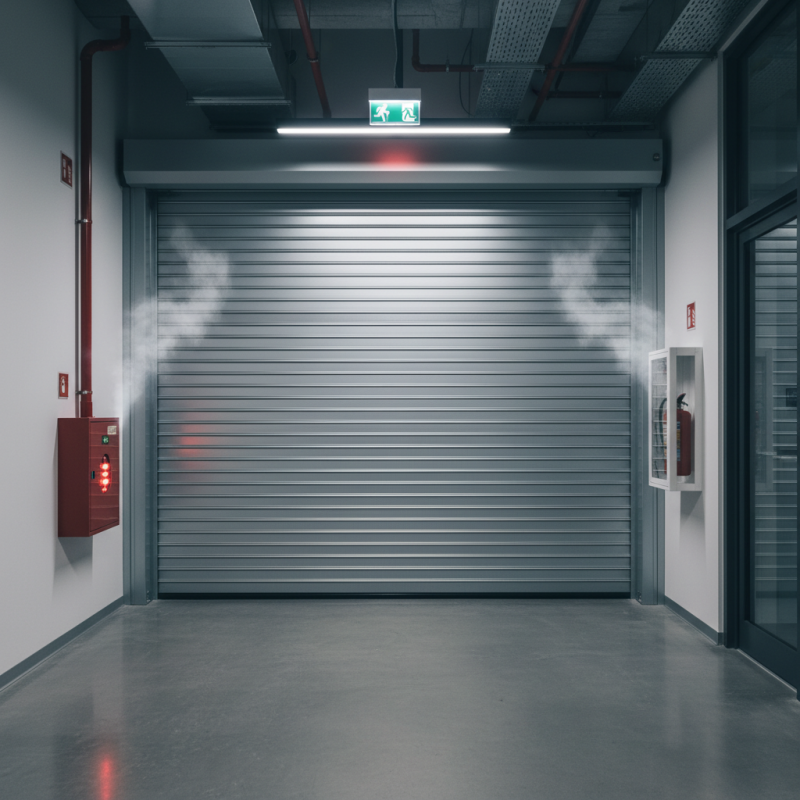
An automatic fire shutter is a key safety feature in many buildings. It's designed to prevent the spread of smoke and flames during a fire. Made from durable materials, it automatically closes when a fire alarm is triggered.
These shutters are often installed in doorways, hallways, and other openings. They act as barriers, protecting vital areas and allowing safe exit routes. Fires can spread quickly. Every second counts. So, these shutters must work reliably.
They use heat-sensitive devices or smoke detectors for activation. However, the system isn't flawless. Sometimes, false alarms occur, causing unnecessary closures. Maintenance is crucial to ensure proper functioning.
In critical situations, a malfunction can be disastrous. Regular checks and tests are essential. This process helps identify potential issues and keeps the system effective.
Installing automatic fire shutters requires careful planning. Their position and installation must adhere to safety regulations. Ignoring this can lead to dire consequences. Awareness and understanding of these systems are vital for anyone involved in building safety.
Key Components of Automatic Fire Shutters
Automatic fire shutters are critical in fire safety. They help contain flames and limit smoke spread. Understanding their key components is essential for effective fire protection.
The primary component is the shutter itself. It consists of robust materials designed to withstand high temperatures. Steel is commonly used due to its strength and durability. The operating mechanism includes electric or manual systems, allowing for quick deployment. According to recent industry reports, nearly 70% of fire incidents occur in commercial buildings, highlighting the need for reliable fire safety measures.
Another crucial element is the control system. It detects heat and smoke, triggering the shutter activation. In a fire, seconds matter. The response time can significantly reduce damage. Fire safety experts recommend regular maintenance checks. Despite the technology’s reliability, failures can occur due to neglect or outdated components. Regular inspections are vital but often overlooked. This oversight could lead to serious consequences in emergencies.
What is an Automatic Fire Shutter and How Does It Work? - Key Components of Automatic Fire Shutters
| Component | Description | Function |
| Fire Sensor | Detects the presence of smoke or heat. | Triggers the operation of the fire shutter upon detection. |
| Control Panel | Centralized unit for monitoring and controlling fire shutters. | Interprets signals from sensors and issues commands to shutters. |
| Shutter Mechanism | The physical structure that moves to close openings. | Provides a barrier to prevent the spread of fire and smoke. |
| Power Supply | Source of electrical energy for the fire shutter system. | Ensures operation during a fire alarm or emergency situation. |
| Manual Override | Allows for manual operation of fire shutters. | Provides control in case of system failure or maintenance. |
How Automatic Fire Shutters Operate During a Fire
Automatic fire shutters play a crucial role during a fire. They are designed to close automatically when a fire is detected. These shutters create a barrier, helping to contain flames and smoke. The mechanism relies on a series of sensors and alarms, which determine when to activate. This quick response is vital in minimizing damage and ensuring safety.
Once a fire is detected, the sensors trigger the shutter. The device often uses springs or weights to lower the barriers efficiently. In some cases, these shutters can close in mere seconds. This speed is critical in limiting fire spread. It reduces the amount of smoke that can escape into other areas. However, the effectiveness can vary. Improper maintenance might lead to failure.
The installation of automatic fire shutters must be precise. They need to fit snugly to offer effective protection. If not calibrated correctly, the shutters might not work as intended. Regular checks are essential to ensure they function properly. Awareness of potential issues can prevent catastrophic consequences during a fire. Attention to detail in both installation and upkeep is necessary for safety.
Automatic Fire Shutter Functionality Overview
Benefits of Using Automatic Fire Shutters in Buildings
Automatic fire shutters offer significant advantages in enhancing fire safety within buildings. According to the National Fire Protection Association, fires cause thousands of injuries and fatalities each year. Automatic fire shutters are designed to contain fires, limiting their spread and protecting evacuation routes. These shutters can block flames and smoke, ensuring safer egress for occupants during emergencies.
Moreover, fire shutters are vital for protecting property. A study by the International Fire Protection Association revealed that fires can result in millions of dollars in damages. Implementing automatic fire shutters minimizes the risk of extensive property loss. These systems deploy rapidly when a fire is detected, providing an immediate barrier. Such measures not only protect assets but can also lower insurance premiums.
Despite their clear benefits, challenges exist. Maintenance of fire shutters is often overlooked. Regular inspections and testing are crucial to ensure they function as intended. Neglect can lead to failure during a fire. In some cases, building designs may inhibit the effective installation of these shutters. Awareness and adherence to safety regulations are essential. This highlights the need for continuous education on fire safety measures in building management.
Regulations and Standards Governing Fire Shutter Installation
Automatic fire shutters are crucial for fire safety in commercial and residential buildings. They act as barriers to contain fires, preventing smoke and flames from spreading. To ensure their effectiveness, specific regulations and standards govern their installation. The National Fire Protection Association (NFPA) and local building codes often dictate these requirements. Compliance is vital for safety and can affect insurance coverage.
When installing fire shutters, consider the building layout and occupancy type. For instance, high-rise buildings have different standards compared to single-story structures. Ensure that fire shutters are properly integrated with fire alarm systems. Regular maintenance checks are also essential to ensure functionality during emergencies.
Tips: Inspect fire shutters regularly for any signs of wear or damage. Correct any issues immediately. Training staff on fire safety protocols can enhance preparedness. Emergency plans should be updated, incorporating fire shutter roles in evacuations. Such measures help in promoting a safer environment for all.