© 2025 Messer Cutting Systems, Inc.

Choosing a reliable Potassium Chloride Powder Exporter requires more than comparing prices on a website. Product consistency, documentation, packaging, and communication can directly affect agricultural and industrial performance. A dependable supplier should provide recent laboratory analysis, clear potassium content, moisture data, particle-size information, and a traceable certificate of analysis. Details matter.
Dr. Achim Dobermann, a respected soil and fertilizer specialist, has emphasized, “There is no single best fertilizer recommendation for every soil and crop.” This principle also guides exporter selection. A supplier should understand your crop requirements, application method, destination climate, and storage conditions. Ask whether the powder is suitable for fertigation, blending, or industrial processing. Request a physical sample when possible. Inspect its color, flowability, and packaging condition. A clean sample is useful, but it cannot replace independent verification.
The strongest exporters communicate precisely. They explain specifications without vague promises. They provide safety data sheets, batch numbers, export documents, and realistic lead times. Check how the product is sealed against humidity during ocean transport. Confirm pallet strength, bag labeling, and loading photographs. A polished website can still hide weak documentation. That is risky.
Price deserves attention, but it should not lead the decision. A lower offer may exclude testing, secure packaging, or reliable delivery coordination. Review several suppliers against the same checklist. Ask difficult questions early. Some details may remain uncertain, and that deserves honest acknowledgment. A careful buyer can reduce surprises by testing samples, confirming records, and assessing the exporter’s experience with similar destinations.
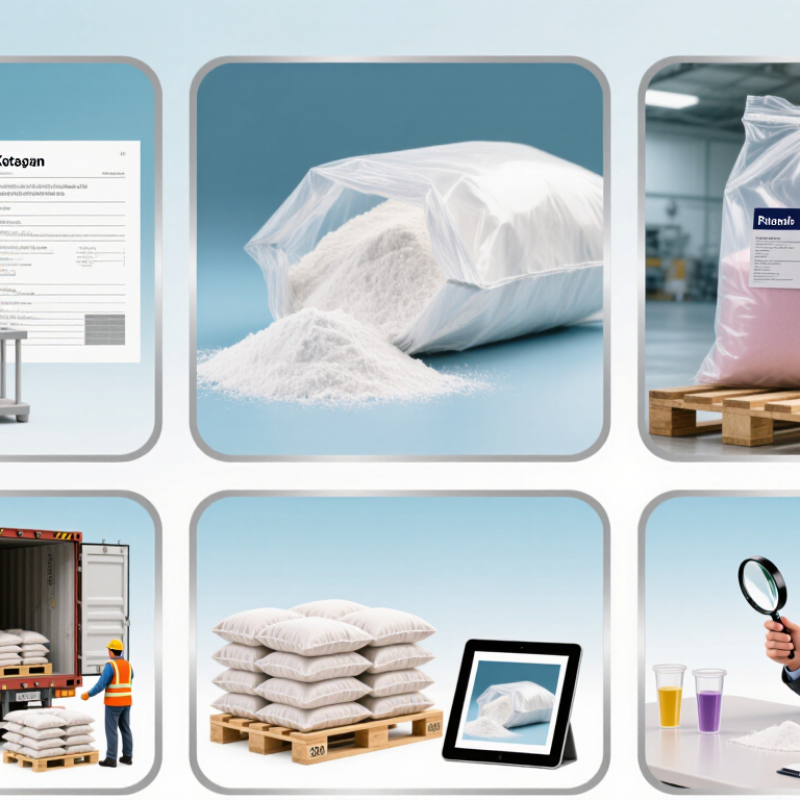
Before contacting a potassium chloride powder exporter, define the product’s intended use and technical requirements. Different applications may require different grades, purity levels, and particle sizes. Specify potassium content, moisture, insoluble matter, color, and acceptable tolerance ranges. State whether you need fine powder, standard powder, or a customized mesh size. Small details matter.
Your destination should guide the export plan. Check the importing country’s labeling, documentation, packaging, and chemical handling requirements. Request a current certificate of analysis for each batch, along with a safety data sheet, certificate of origin, and third-party inspection options. Also confirm the HS code with a qualified customs professional. Do not rely on assumptions.
Describe your preferred packaging clearly. For example, you may need 25-kilogram bags, moisture-resistant liners, or palletized containers. Include the required order quantity, delivery location, Incoterm, lead time, and storage conditions. Ask how the exporter protects the powder from humidity during transit. A practical specification sheet prevents costly misunderstandings.
A common sourcing mistake is focusing only on purity and price. Consistent particle size and reliable documentation can matter just as much. Request a representative sample before placing a large order, then compare it with the final batch requirements. Even a careful checklist may miss something, so review it with your quality and logistics teams.
A practical comparison table for preparing an accurate potassium chloride powder export brief and evaluating potential exporters.
| Requirement Area | Relevant Specification or Data | Typical Export Requirement | Documents or Evidence to Request | Exporter Screening Tip |
|---|---|---|---|---|
| 1. Product Identity |
| Define whether the material is intended for fertilizer, industrial, laboratory, food, feed, or another regulated application. These uses may require different purity limits, labeling, and approvals. |
| Avoid requesting only “high-purity KCl.” State the intended application and the exact quality grade needed, because purity and impurity limits are application-dependent. |
| 2. Purity and Chemical Parameters |
| Fertilizer-grade potassium chloride is commonly described by its potassium content as approximately 60–62% K2O equivalent. This is not the same as an assay of 60–62% KCl. Industrial and specialty grades can require substantially different specifications. |
| Compare the same units and test methods. Ask whether the quoted potassium value is reported as elemental potassium or K2O equivalent. |
| 3. Particle Size and Physical Handling |
| Particle-size requirements should be written as a measurable distribution, such as a specified percentage passing or retained on defined sieve sizes. A generic description such as “fine powder” is usually insufficient for production planning. |
| Require a pre-shipment sample or retained reference sample when particle size affects dosing, dissolution, blending, or downstream processing. |
| 4. Packaging and Storage |
| Potassium chloride is highly soluble in water and can cake when exposed to moisture. Packaging should be suitable for the transport duration, local climate, warehouse conditions, and unloading equipment. |
| Confirm whether the quotation includes bags, liners, pallets, fumigation where applicable, and container loading. Request protection from rain and condensation during transit. |
| 5. Export Compliance and Logistics |
| The HS code can differ according to product grade, declared use, and the importing country. Fertilizer-grade potassium chloride is commonly classified under heading 3104.20, but the buyer should confirm the correct classification with customs authorities or a licensed broker. |
| Compare quotations under the same Incoterm, currency, packaging basis, shipment size, and destination. Confirm who handles customs clearance, insurance, port charges, and inland delivery. |
| Quality Verification |
| Testing should be based on a representative lot sample. The purchase contract should identify the testing laboratory, applicable method, allowable tolerances, and the procedure for claims. |
| A supplier that provides only a generic brochure or undated COA may not provide enough evidence for an international purchase. |
| Recommended RFQ Information |
| Include the destination port or delivery address, preferred Incoterm, target shipment date, payment terms, required documents, and whether a pre-shipment inspection is needed. | Ask each exporter to complete the same specification sheet. This makes offers comparable and reduces misunderstandings caused by different definitions of “purity,” “powder,” or “delivered price.” | Select an exporter based on specification compliance, documented quality, logistics capability, and total landed cost rather than on unit price alone. |
Note: Potassium chloride specifications, labeling rules, tariff classification, and import documentation may vary by end use and destination country. Confirm the final requirements with the importer, customs broker, applicable regulator, and an independent testing laboratory where appropriate.