2026 Top Ac Servo Motor Driver Features and Benefits What to Know?
In the evolving landscape of industrial automation, the AC Servo Motor Driver stands out as a critical component. As manufacturers seek precision and efficiency, understanding its features and benefits becomes essential. This technology fuels various applications, from robotics to CNC machinery, driving productivity.
The latest trends in AC Servo Motor Drivers highlight not only performance but also reliability. Users can expect enhanced control algorithms, improved energy efficiency, and robust feedback systems. Such advancements cater to demanding operational environments. However, with these features come complexities that require careful integration and compatible systems.
While some may overlook potential challenges, addressing them is vital. Integrators must ensure that the AC Servo Motor Driver matches their specific needs. Evaluating the technical specifications and compatibility can prevent costly failures. Thus, staying informed is key to leveraging these technologies effectively and achieving optimal results.
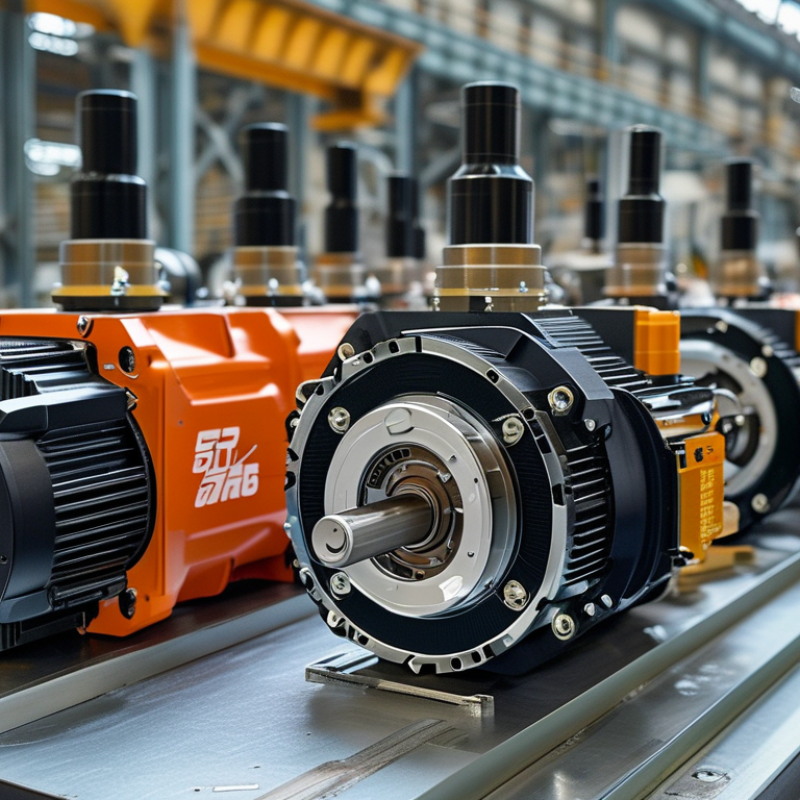
Key Features of Top AC Servo Motor Drivers in 2026
In 2026, top AC servo motor drivers will feature cutting-edge technology for enhanced performance. One critical aspect is their precision control. These drivers enable highly accurate positioning, essential for robotics and CNC machines. This precision minimizes errors that could lead to costly downtimes. With better feedback systems, users can expect improved operational reliability.
Another prominent feature is energy efficiency. The latest AC servo motor drivers are designed to optimize power usage. They achieve this by adjusting the energy supplied based on the load requirements. Such advancements not only save costs but also reduce environmental impact. However, the complexity involved in programming these systems can pose challenges for some users.
Ease of integration remains a concern. Although many drivers offer advanced functionalities, the installation process can be daunting. Users often face difficulties in configuring systems that require advanced technical knowledge. Additionally, while connectivity options like IoT integration can streamline operations, they also raise questions about security and data integrity. Continuous education and support are vital to harness these benefits.
Benefits of Using Advanced AC Servo Motor Drivers
Advanced AC servo motor drivers offer numerous benefits that enhance performance in various applications. These drivers provide precise control of motor speed and position. Such accuracy is crucial in robotics and automated systems where every movement counts.
Better efficiency is another advantage; modern drivers optimize energy usage, reducing operational costs significantly.
Moreover, advanced AC servo drivers often feature built-in diagnostic tools. These tools help in monitoring system performance and identifying issues early. Real-time feedback can prevent costly downtime. However, not all users fully utilize these features, which can lead to missed opportunities for improved performance.
Integration of these drivers is generally straightforward, promoting rapid deployment. While they are designed to be user-friendly, complexity can arise in certain setups. Understanding the underlying technology may require time and expertise. Investing in training or resources can mitigate these challenges. Balancing performance and usability is vital for success with these advanced systems.
Technical Specifications to Consider for AC Servo Motor Drivers
When considering AC servo motor drivers, several technical specifications demand attention. Power output and voltage ratings are paramount. These aspects ensure compatibility with motors and their operational efficiency. It’s crucial to choose a driver that matches the motor's requirements for optimum performance. This alignment directly reflects in energy consumption and operational lifespan.
Another fundamental aspect is control methodology. Whether using pulse-width modulation or sinusoidal control influences the smoothness of motor operation. Accurate control can enhance precision in applications requiring fine movements. Assessing feedback mechanisms is also vital. This includes understanding encoder types and their resolution levels, which impact the driver’s responsiveness and accuracy.
Moreover, thermal management cannot be overlooked. Effective cooling mechanisms extend the lifespan of the driver. Users should analyze the driver’s cooling features, particularly in high-load scenarios. Despite advancements, inefficiencies can arise. It's essential to always contemplate potential integration challenges, which might not be apparent at the outset but can affect system performance.
Applications of AC Servo Motor Drivers Across Industries
AC servo motor drivers play a crucial role across various industries. They enhance performance and efficiency in automation, robotics, and manufacturing. According to a recent market analysis, the global AC servo motor market is expected to reach $10 billion by 2026, growing at a compound annual growth rate (CAGR) of 6%. This growth indicates a rising demand for precise control in applications like CNC machinery and conveyor systems.
In the automotive sector, AC servo drivers are vital for assembly lines. They enable accurate positioning and reduce cycle time. In robotics, these drivers ensure smooth movements and enhance operational flexibility. Data from industry reports shows that around 30% of production errors are due to inadequate motor driver systems. This information can be a wake-up call for manufacturers needing improvements.
Tip: Consider evaluating your current motor driver solutions. Are they meeting your precision and speed requirements? Testing new technologies can yield significant benefits.
In packaging and food processing, AC servo motors help maintain product integrity. Their efficient performance improves packaging speed without compromising quality. Analysts note that companies adopting advanced servo technology see up to 20% increases in productivity. Reflection on current practices could uncover areas for further improvement.
Tip: Regularly assess the compatibility of your AC servo systems with evolving technologies. Adaptation is essential in maintaining industry leadership.
Future Trends Shaping the Development of AC Servo Motor Drivers
The development of AC servo motor drivers is rapidly evolving. As industries increasingly embrace automation, the demand for advanced control solutions is surging. According to a report by MarketsandMarkets, the global market for servo motors is projected to reach $14.21 billion by 2026, driven by advancements in technology and the growing need for precise motion control.
One notable trend is the integration of artificial intelligence (AI) and machine learning in servo motor control. These technologies enhance real-time data processing, enabling more responsive and efficient systems. AI-driven algorithms can predict maintenance needs, reducing downtime. However, this reliance on technology raises concerns about robustness and the potential for system failures. It is essential for developers to address these vulnerabilities while innovating.
Another crucial trend is the push for energy efficiency. As environmental regulations tighten, manufacturers are focusing on creating greener, more sustainable solutions. The International Energy Agency reported that improved motor efficiency could lower energy consumption by up to 30%. However, achieving this in practice often proves challenging, as many existing systems require significant retrofitting. Balancing efficiency with cost-effectiveness remains a daunting task for engineers in the field.
2026 Top AC Servo Motor Driver Features and Benefits
| Feature | Description | Benefits |
| High Efficiency | Operates with minimal energy loss | Reduces operational costs and increases sustainability |
| Compact Design | Smaller footprint compared to traditional drivers | Saves space in control panels and machinery |
| Advanced Motion Control | Offers precise speed and position control | Enhances performance in automated applications |
| Built-in Safety Features | Includes over-voltage and over-current protection | Increases reliability and protects machinery |
| Network Connectivity | Supports communication protocols like Ethernet/IP | Facilitates integration into Industry 4.0 environments |
| User-Friendly Interface | Intuitive controls and programming options | Reduces setup time and eases operation |