2026 Best Maize Mill Machine How to Choose the Right One?
In 2026, choosing a Maize Mill Machine is not simply a matter of buying the biggest unit. It means matching capacity and grind quality to the work you actually do. Start with the grain. Maize moisture, cleaning quality, and the fineness required can all affect milling results. A machine suited to a small farm may struggle in a busy processing shop, while an oversized model can waste energy and floor space. Numbers on a product page need context.
This guide explains how to compare machine types, output claims, motor power, construction, and maintenance needs. Look beyond advertised capacity: ask whether it refers to clean, dry maize and continuous operation, and request test results where possible. Check how easily operators can access screens, belts, and bearings for routine cleaning or replacement. Noise, dust control, local parts availability, and after-sales support matter too. They affect daily use. Even a careful comparison can miss a local service issue, so confirm support directly with the supplier. No checklist catches everything. Consider your budget alongside installation costs, operator experience, and expected workload. The right choice is the one that meets those needs reliably, not the one with the most impressive brochure. Before you decide, compare specifications against your own conditions and seek a demonstration using maize similar to yours. That small step can reveal uneven output, awkward adjustments, or cleaning tasks that photographs do not show.
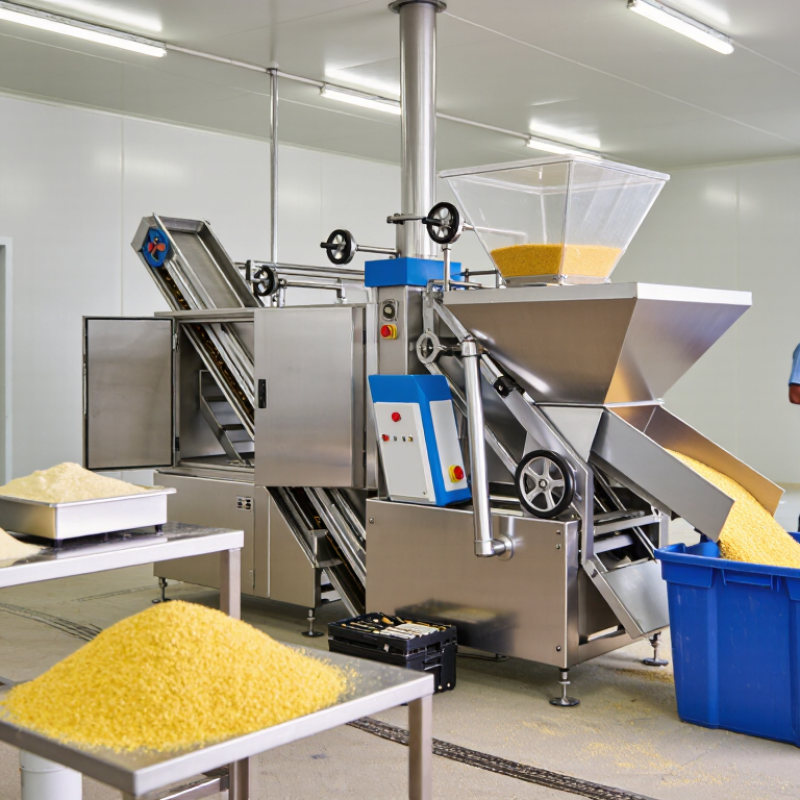
What Is a Maize Mill Machine and How Does It Work?
A maize mill machine turns dried maize kernels into meal or flour by reducing their size and separating particles through screens. Its main parts often include a feed hopper, a grinding chamber, a motor, and an outlet. Some systems also clean kernels or remove stones before milling. The exact setup depends on the machine type and the desired product.
Inside the chamber, rotating hammers, rollers, or plates break the kernels into smaller pieces. A screen controls which particles pass through; larger pieces may remain for further grinding. The process is simple on paper, not always in practice.
Kernel moisture, feed rate, and screen size can change the texture and heat of the flour. A handful of flour should feel consistent, without unexpected coarse pieces. That matters.
Operators should check the manual, inspect moving parts, and keep the feed steady. Small adjustments help. Still, a mill may not produce identical results every day, especially when maize varies between batches.
That variation is worth tracking.
What Factors Matter When Choosing a Maize Mill in 2026?
Choosing a maize mill in 2026 starts with the work it must do. Will it produce whole meal, fine flour, or several grades? Estimate daily output from actual operating hours, not the machine’s peak rating. Grain variety and moisture affect throughput and flour texture, so test a representative batch before comparing specifications. Small details matter. FAO’s 2023 reporting on SDG indicator 12.3.1a estimated that 13.2% of food was lost between harvest and retail in 2021. This is not a mill-performance measure, but it highlights why clean storage and careful grain handling belong in the purchasing plan.
Check power use, local electricity reliability, spare-part access, and cleaning time. Ask for measured output at your target fineness, plus the quantity of bran or other by-products produced. A mill that runs quickly may still waste energy or create uneven flour. Inspect screens, bearings, and contact surfaces; ask how often they need replacement and whether routine maintenance requires specialist tools. Test before buying. A specification sheet can still mislead: results from dry grain may not match damp maize from your own supply. Record throughput, flour consistency, and downtime during a trial, then compare those results with your daily needs and operating budget.
How Do Capacity, Power, and Grain Quality Affect Your Choice?
Capacity should match the amount of maize you can dry, clean, and feed consistently—not an optimistic catalog figure. USDA’s September 2024 WASDE report estimated 2024/25 world corn production at about 1.22 billion metric tons, showing the crop’s vast scale, but farm and mill needs vary widely. A 500-kilogram-per-hour rating suggests four tonnes in an eight-hour shift; pauses for cleaning, loading, or adjustments reduce real output. Ask for a throughput test using maize similar to yours.
Power is more than motor horsepower. Check the required voltage, starting load, operating hours, and energy used per tonne. A larger motor may handle a heavier feed rate, but it can also raise running costs when the mill is underused. I would compare measured output and electricity use under the same grain conditions. That detail is easy to miss.
Grain quality changes the result. FAO grain-storage guidance gives about 13% moisture as a practical target for safer maize storage, though local conditions and storage time matter. Wet or uneven grain can affect flow, milling consistency, and storage risk. Ask whether the machine needs pre-cleaning or moisture conditioning, then test the flour’s texture and extraction rate with your own grain. A small trial helps. It is not a perfect forecast, but it can reveal problems before installation.
2026 Best Maize Mill Machine: How to Choose the Right One?
Compare a target throughput with an illustrative motor-power planning point. Actual requirements depend on mill design, maize condition, and the desired output.
How to use this chart: Choose capacity based on peak daily demand, not only average use, and confirm the machine’s rated throughput for your maize and final product. The power figures are indicative planning points, not guaranteed specifications. Grain cleanliness and moisture affect milling performance; screen or roller settings influence particle size and bran separation. Ask for a test using representative grain and check the resulting meal quality before buying.
How Can You Compare Costs, Maintenance, and Supplier Support?
When comparing maize mill machines, look beyond the purchase price. Include delivery, installation, electrical work, and any required building changes. A cheaper machine may need more frequent screen or bearing replacements. Ask suppliers for a written parts list and typical replacement intervals. Small details matter. Compare energy use at the same processing capacity, not just motor size. Request a test using maize similar to yours, and record the output rate and flour texture. Results can vary with grain moisture, so one test is not a guarantee.
Maintenance affects both cost and production time. Check how easily operators can reach screens, belts, and lubrication points. Ask how often routine service is needed and whether your staff can do it safely. Ask for records. Supplier support should be specific: response times, technician availability, training, and access to common spare parts. Get these details in writing, rather than relying on a general promise of “after-sales service.” If the supplier cannot explain a repair process clearly, pause and compare alternatives. I might still favor a higher-priced machine if its service plan fits local conditions, but that judgment depends on dependable evidence, not a polished brochure.